Finally Sound Like Yourself in American
I help Successful Experts with strong foreign accents finally sound like themselves in American.
With the same Hollywood Accent Techniques I used to successfully change my own accent within 18 months.
FREE
Accent Archetype Quiz
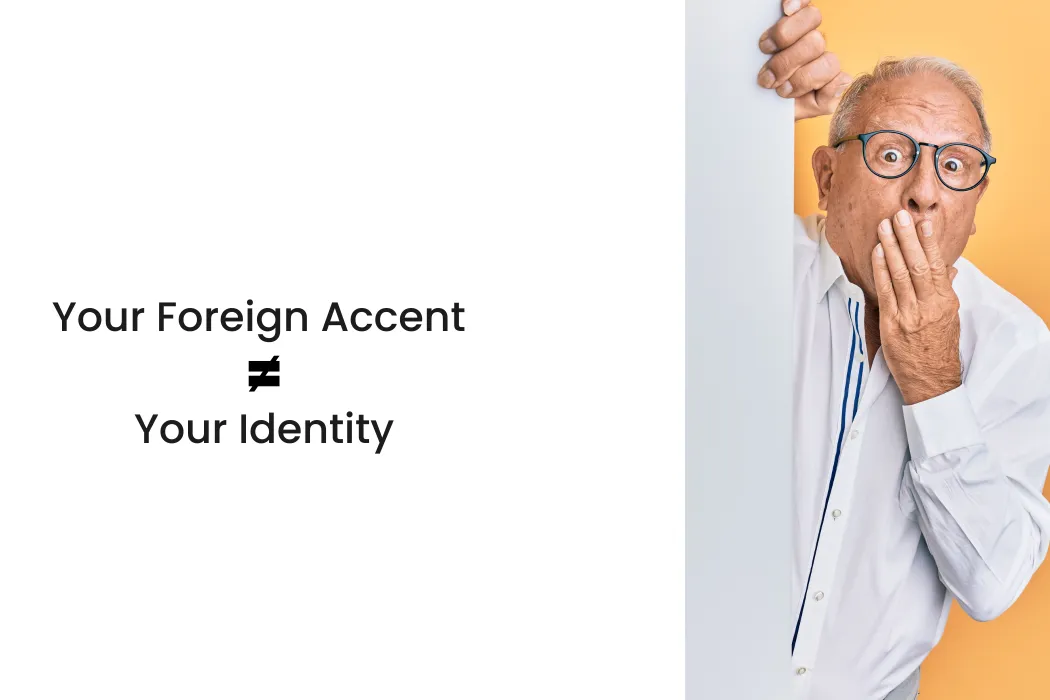
Your Foreign Accent ≠ Your Identity
Your foreign accent is not part of your identity.
There. I said it.

If you don't peruse Reddit accent forums (highly recommend against it) or social media comments on accent videos in general (also recommend against it)...
You may or may not be surprised to hear that whenever people bring up the concept of "accent reduction" or "accent modification", some people get mad.
Why?
Because to them, their accent feels like it's part of their identity.
It feels like they're being told to change themselves. In order to fit into something that's being forced on them.
Completely understandable ... if you operate under the assumption that your accent is something you're born with. That being German / Russian / Chinese / Mexican / Nigerian / etc. somehow means you must have this accent.
It would make sense then that you would think changing this accent changes who you are as a person. That somehow you're less German / Russian / Chinese / Mexican / Nigerian / etc.
I've heard people say this before: "I'm proud of my heritage and my ancestors. I don't want to change my accent."
If that's how you feel, that's totally fine. Really!
That being said, I think your heritage and ancestors have zero to do with your accent. In my opinion, you're not any less you whether you have a foreign accent or not.
I certainly didn't feel any less German or Czech after changing my own accent.
Why do I think that?
Because when I work with my clients (and it was the same case for myself), it's very clear that the accent is a result of lack of knowledge. Not of a specific cultural background.
Sure, the language you grew up speaking will have influence on what your tongue and jaw are currently used to.
But the reason you have a strong accent is not because you have a German / Russian / Chinese / Mexican / Nigerian / etc. passport.
Again, it simply comes down to lack of knowledge. Our teachers growing up taught us what they knew. Grammar and vocabulary. At least my teachers taught us nothing about pronunciation. And they all had accents as well.
They never knew what I learned at acting school. About phonetic symbols, proper sound mechanics, stress, linking, intonation.
And they didn't need to. Their concern was to help you speak English. To speak it well enough that you could read, write and hold a conversation. In short, their goal was to help you overcome the language barrier.
But this is why you have a strong foreign accent.
Because you just don't know any better. And you've been operating this way for a long time. So whatever your current habits are, they're very ingrained.
And, honestly, I think this is why people resort to thinking their accents are part of their identity. In my opinion, it's a cop out.
People know (at least subconsciously) just how strong their current habits are. They know that actually changing the accent is hard. It's not like ordering off Amazon Prime. You have to put in the work.
Most people, in truth, don't think it's even possible.
So if somebody says "you can change your accent", they get triggered. They rationalize their lack of action with "my accent is part of who I am".
That’s like saying being bad at math is part of your identity. It’s not—it just means no one taught you properly, or you didn’t get enough practice.
Changing your accent (or "reducing" your accent) is the same. It's a skill.
Now, to be clear. I'm not saying every non-native speaker must reduce their accent.
If you're fine with how you sound and speak, that's fine by me. No skin off my back.
However, if you're anything like I was when I came to the US in 2014, you are tired of:
having to repeat yourself and being unclear
not feeling confident when you speak English
not being able to communicate the same way in English as you can in your native language
feeling socially isolated as a result (like you're muting your personality)
To me, a strong foreign accent that does these things to you is like a barrier. I mentioned the language barrier earlier.
This is what I call the accent barrier.
And this is exactly what I help my clients overcome so they can speak with the same confidence & authenticity as in your native language(s).
Note: I made a distinction that's important. I said that foreign accents are not part of our identity or our culture. If you are a native speaker, that's different in my opinion.
When a native speaker has an accent—say, a Southern drawl or a Boston accent—that is part of their identity. It reflects where they grew up, their culture, sometimes even their social class.
But us? When we learned English, we weren’t absorbing culture. We were copying a teacher. Usually one who wasn’t a native speaker either.
It's not cultural. It's not heritage. It's lack of knowledge.
So again.
Your strong foreign accent ≠ your identity
What is part of your identity? Your story. Your values. Your voice.
And in my experience, a strong foreign accent often hides that. It creates misunderstandings, makes people underestimate you, or makes you hesitant to speak up. Changing your accent doesn’t change who you are.
It finally lets people see and hear who you are.
All right. Rant over, I promise.
This one felt important because it's a limiting belief I see all the time. Most of the time, when clients reach out to me, they're already past this belief.
If you were on the fence, I hope this helped.
PS - If you read this, odds are you're at the beginning of your accent change journey and you don't know where to start. I'm currently offering free accent assessments (Value $200). All you have to do to book one is fill out a 3min application to make sure we're a good fit.

About my Method
The most common thing I encounter when I work with clients that have worked with other coaches before is this:
They have lots of theoretical knowledge.
But: they're not actually able to apply it well while speaking.
Theoretical knowledge is important but does not equate to actual skill.
I call my way of approaching accent reduction the UDS Method.
This stands for: Understand - Drill - Simulate
Pretty simple. All three steps are equally important.
Think of a three legged stool. You remove one leg, it falls over.
Understand = that's the easiest and fastest part. You can easily go and look up any American sound on YouTube right now to understand how it works very quickly. The difficult part is being able to implement this knowledge into the way you speak.
Drill = an incredibly important step where most people fall short. They think just understanding and then immediately trying to jump into speaking is how they will get to their goal. Based on many, many, many classes with clients I can confidently tell you this simply doesn't work. For most people, in an actual conversation, there's too much going on at the same time for you to adequately catch the sounds. You need to build habits first. This is the goal of the drill step.
Simulate = This is where I use my acting training to help you get to your goal. This is basically "roleplaying" in more advanced scenarios (scripted and improvised) to make sure that we truly pressure test the habits you have built in the previous step (drill). This is by far the hardest step and requires us to have done really solid work in the first two steps. As a result, you will fail a lot in this step. This is good. Because it exposes your weak points and shows you what you need to drill more.
Frequently Asked Questions
The most common questions around changing your accent in one place.
How long does it take to transform your accent?
It all depends on the method you're using. Self-study, choosing cheap options like AI apps.. those take a long time to bring about any meaningful change.
However, working with someone that has actually transformed their own accent and uses a time proven system to help others do the same? That gets you results much faster. I use the same methods actors like Daniel Day-Lewis and Christian Bale use to prepare for movie roles.
Now, all I can do is lay out the path. It's up to you to take the necessary steps. All I can do is show you what to do, why to do it, when to do it, and how to do it. If you take consistent action, practice with intention and show up for yourself and your goals, you can make progress very quickly.
You could be speaking very differently in a matter of just a few months. You could be speaking clearly and confidently. If you put in the work and follow the path.
Why should I learn from you?
If you had to go to the gym and get jacked, and you could choose between two trainers, who would you pick?
#1: an exercise scientist that has thin, spindly arms and legs
#2: an exercise scientist that is in excellent physical shape and health
Obviously #2.
Why? Because having actually done the thing matters.
I used to be in your exact situation. I came to the US with a strong accent that was a major obstacle to my goals. I put in the hours. I did the work.
On top of that, the methods I use are not just theory thought up by some linguists that have never worked with a person 1-on-1.
I studied the craft of acting at the William Esper Studio in New York City. The methods I use are actively being used by actors to prepare for big roles.
What about your method is different from other coaches?
I've had lots of clients come to me after studying with other coaches or after having purchased courses that didn't work for them. Do you know why?
Because what most people focus on most is the acquisition of knowledge, not actual skill.
This is why they (and probably you if you're reading this) get stuck in a specific spot: you know a lot of things about the American accent but you're not able to consistently apply that knowledge in a live situation.
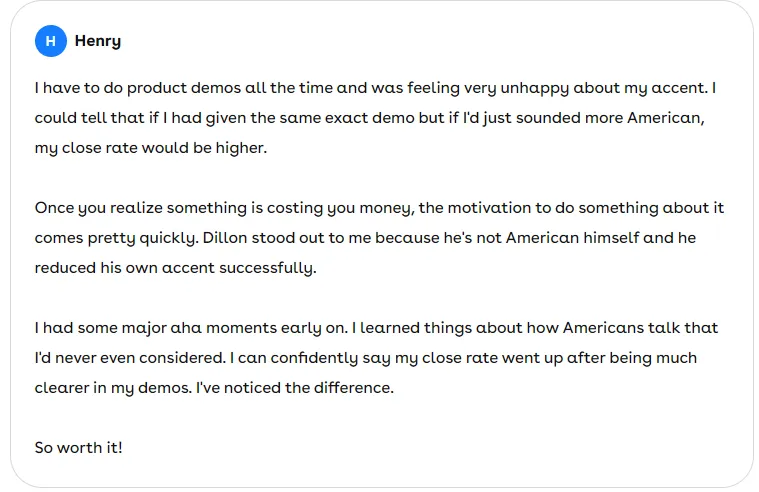
This is why my method focuses on habit building. We need to get you so good, so comfortable with what you're learning that you are able to go into a high stakes situation (e.g. sales pitches, meetings, presentations, product demos) and focus on the ideas you're trying to communicate. Not feel self conscious about the way you speak.
I'm from [insert country], have you ever worked with somebody like me before?
Odds are, I have. However, I haven't worked with someone from every single country on earth so it's perfectly possible that I have not worked with somebody of your nationality before.
The process of transforming your accent is the same, regardless of your native accent. The things that will differ are the mistakes you are making.
The process to fixing those mistakes is always the same:
-understand what the mistake is
-understand how to make the correct sound
-drill the correct sound to build habits
-simulate live situations to pressure test those habits
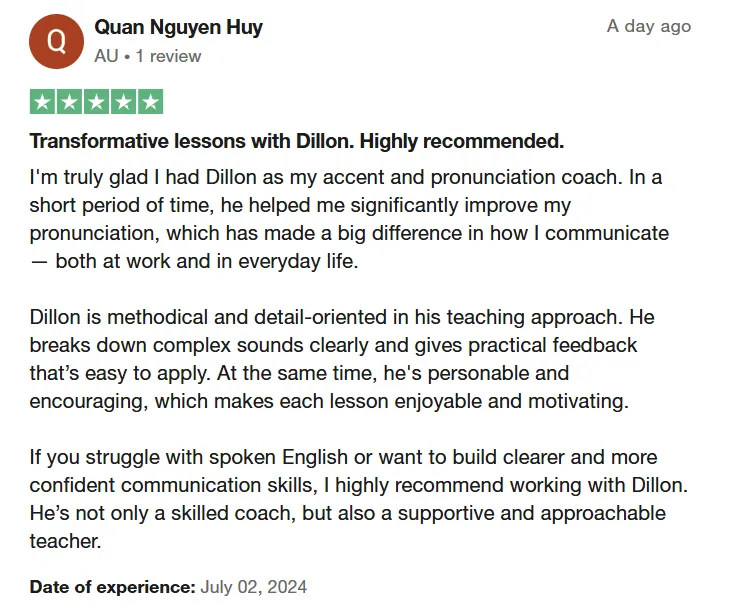
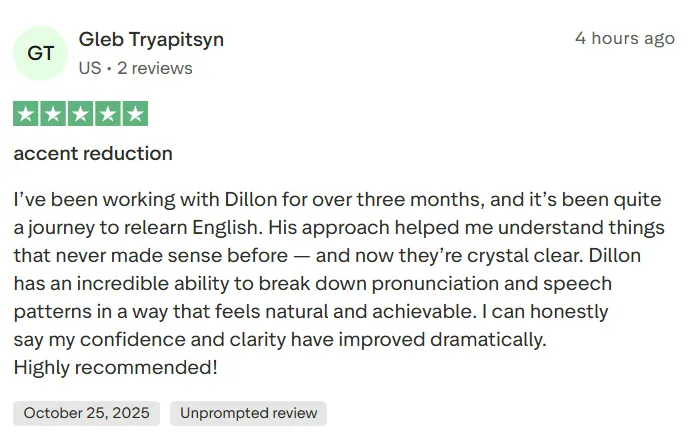
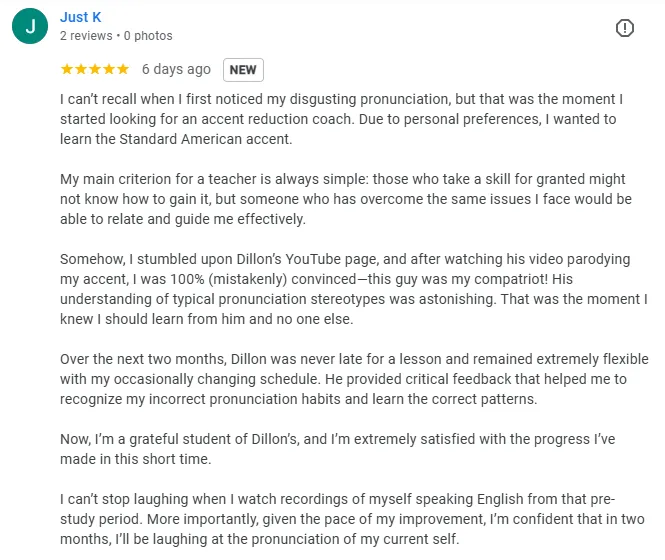
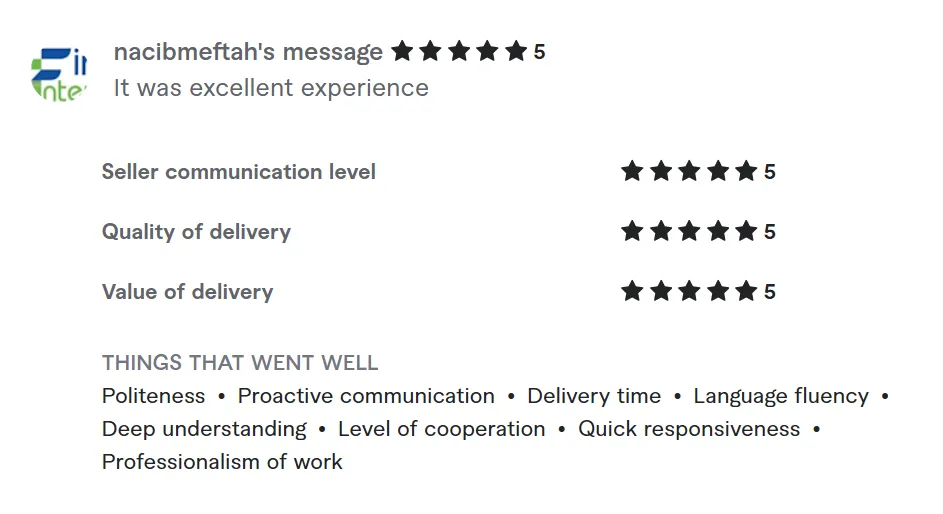
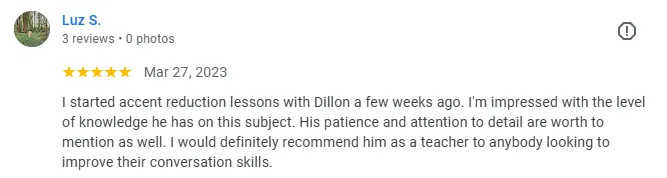
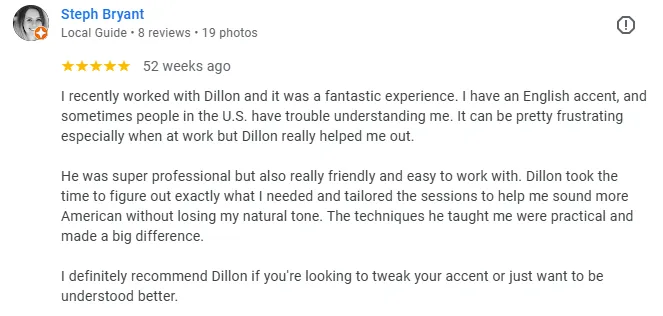
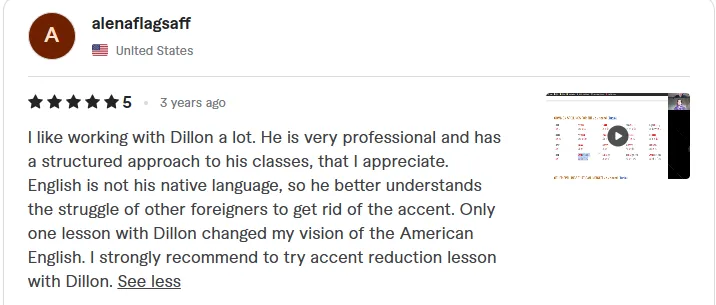
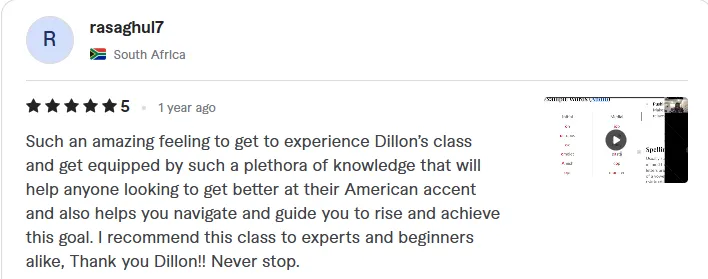
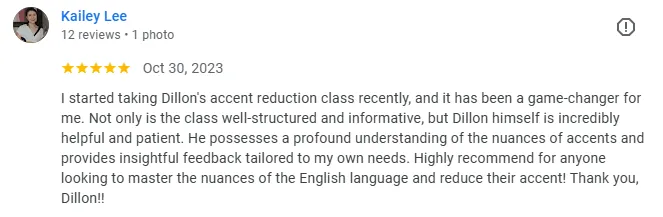
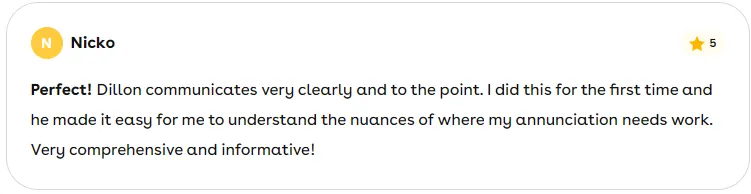
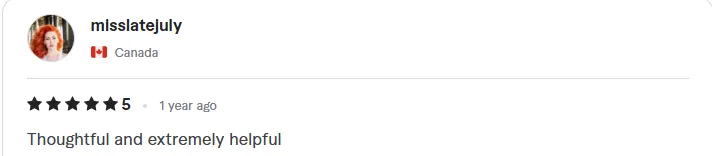
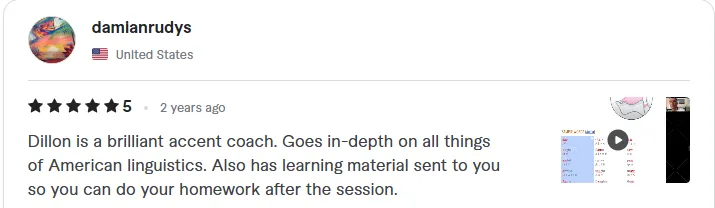
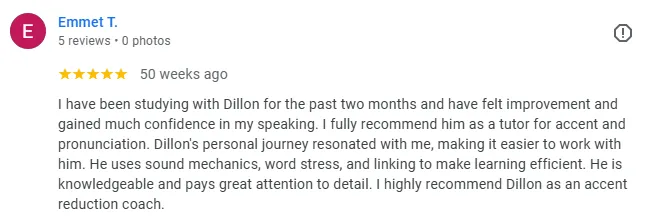
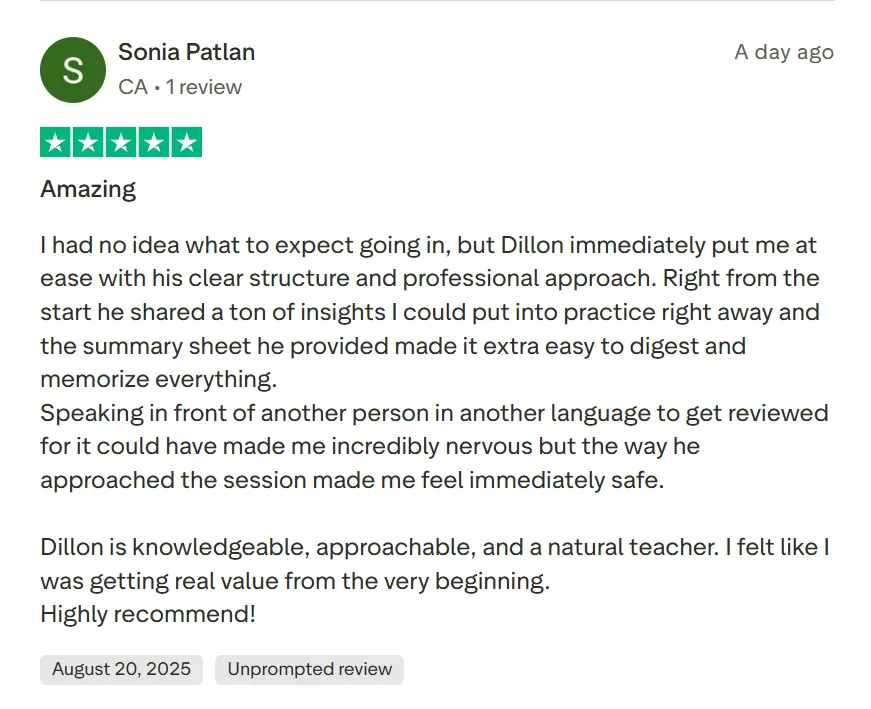
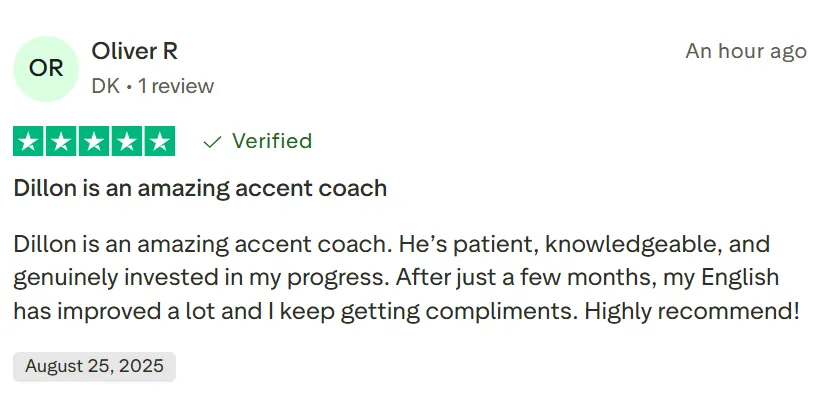
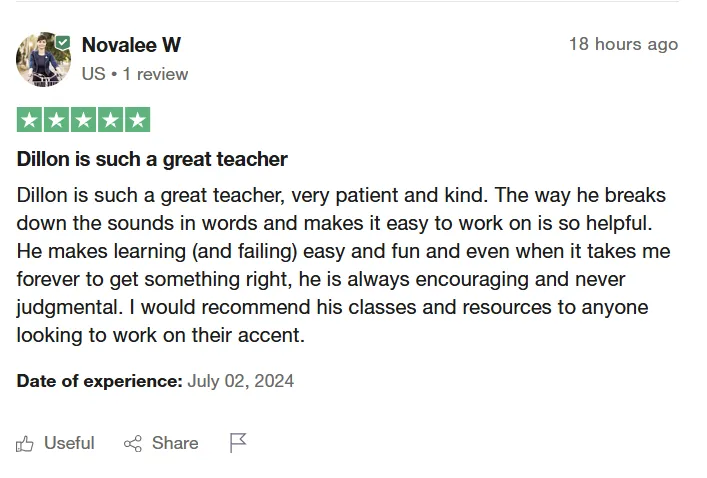
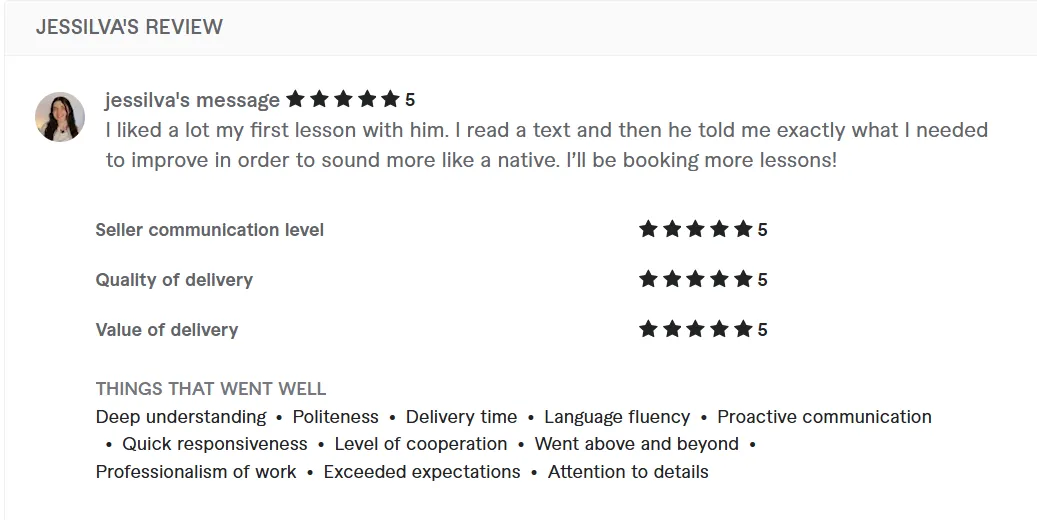
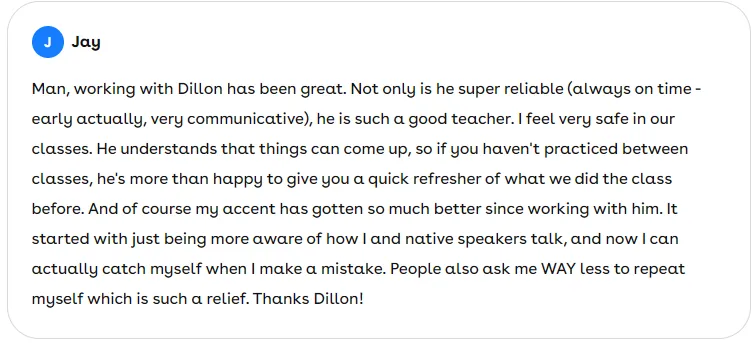
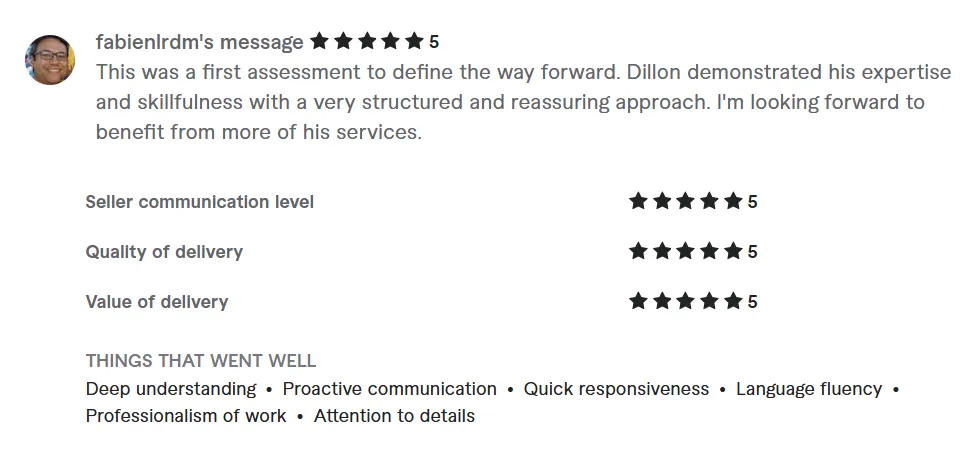
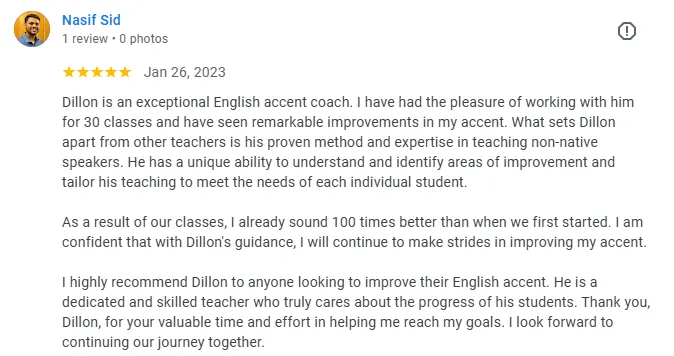
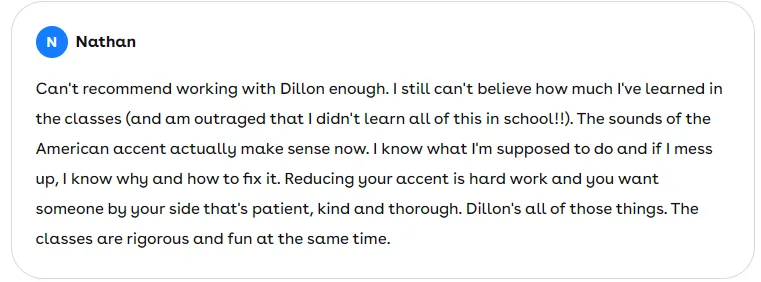
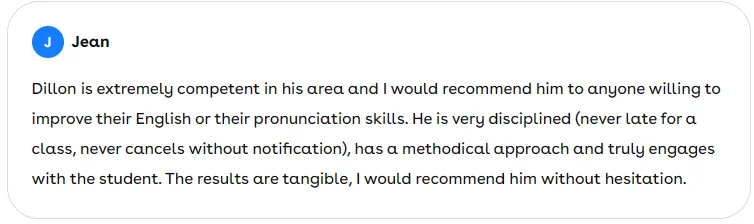
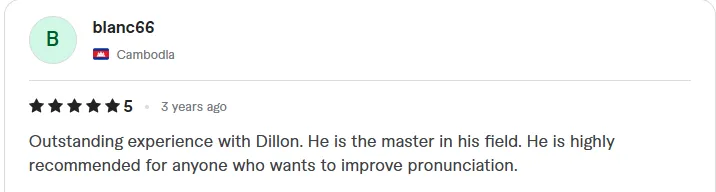
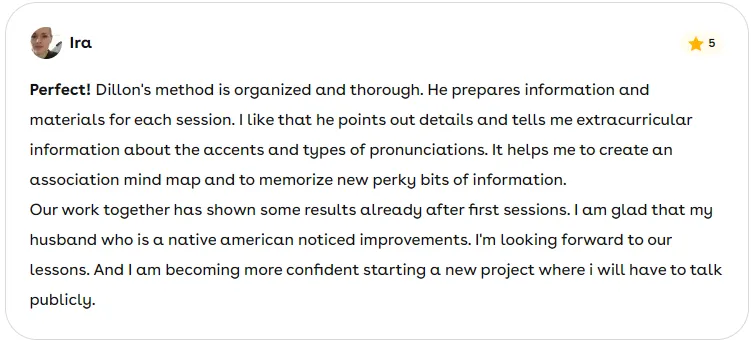
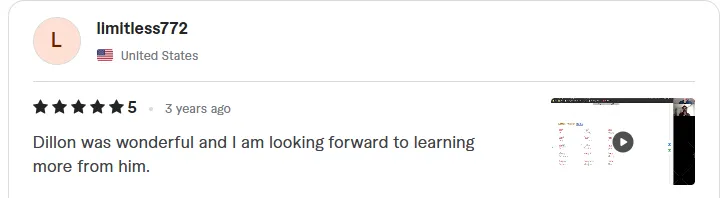
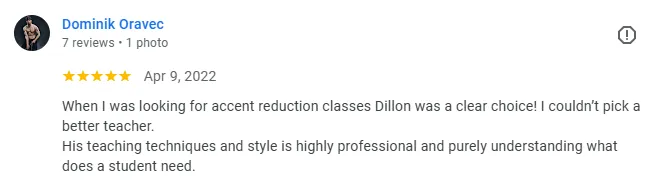
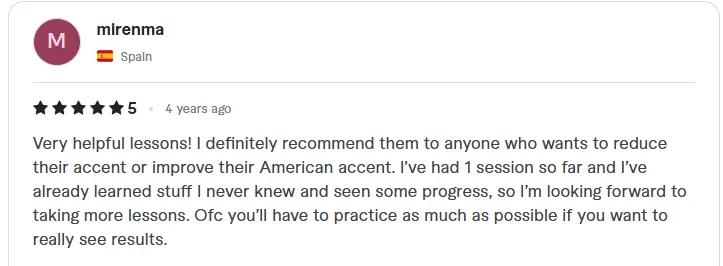
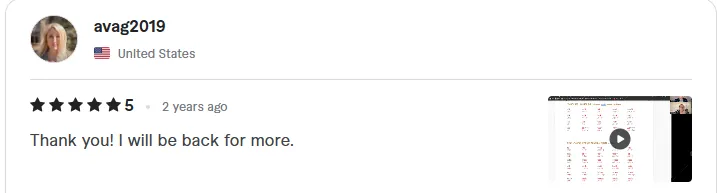
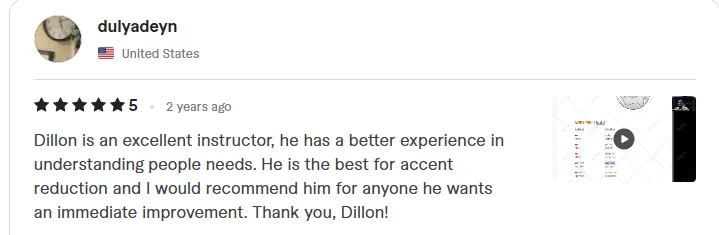
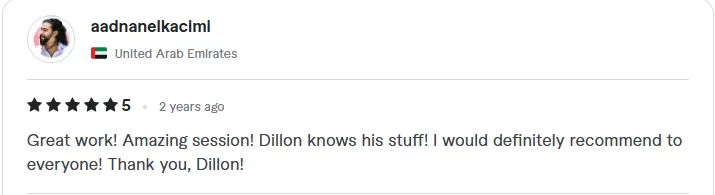
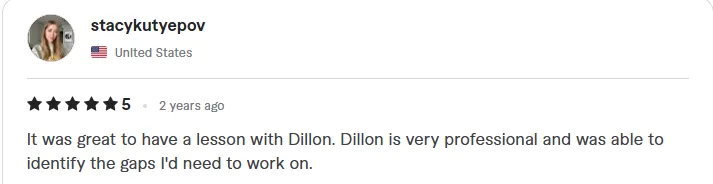
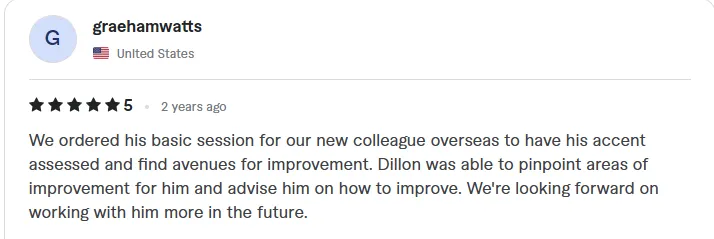
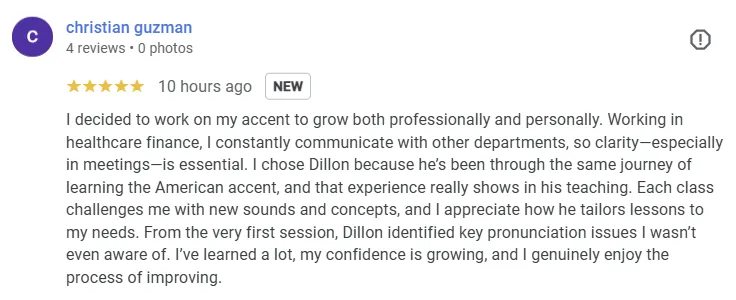
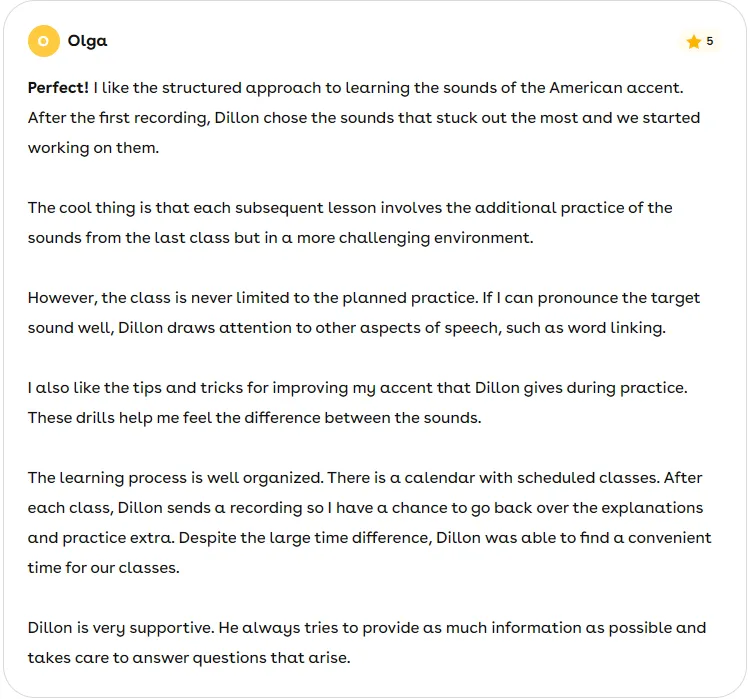
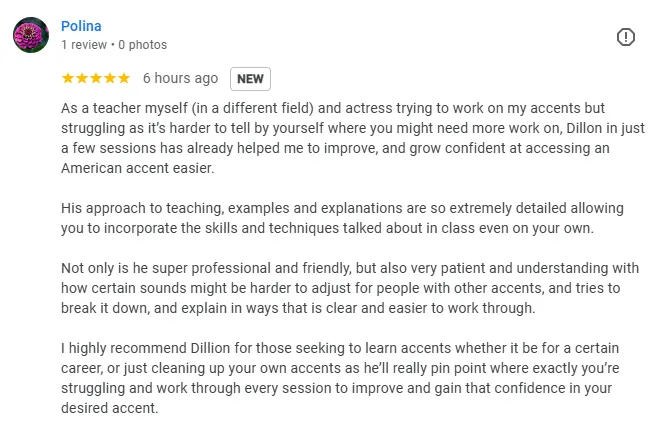
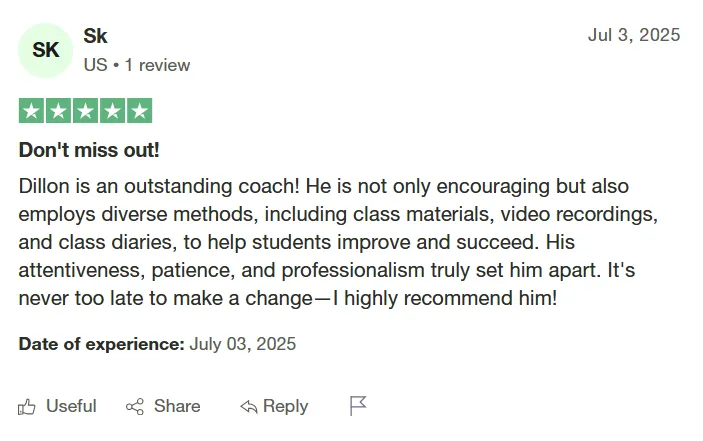
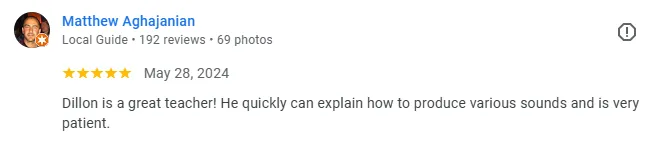
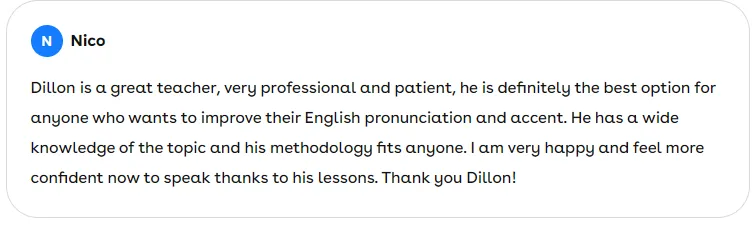
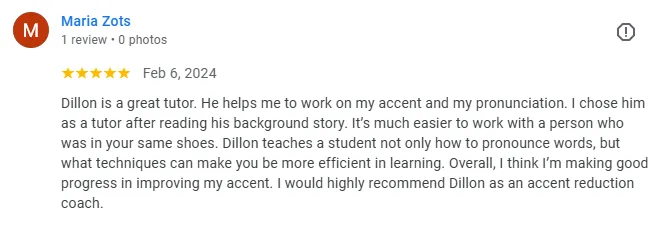
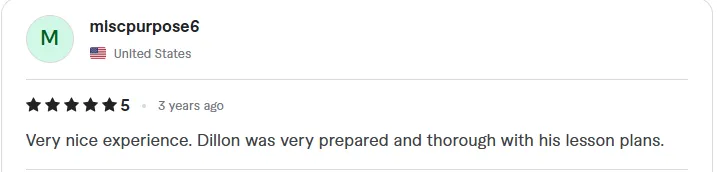
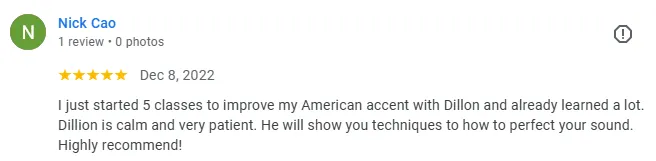
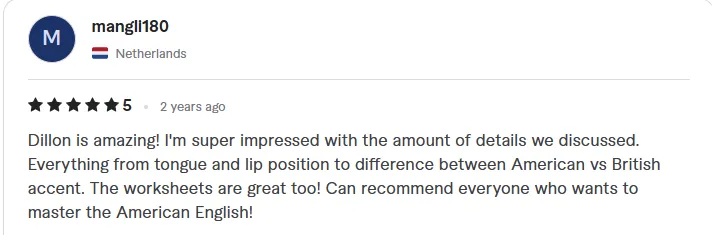
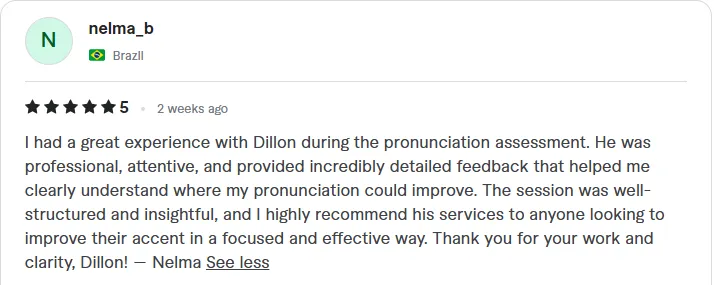
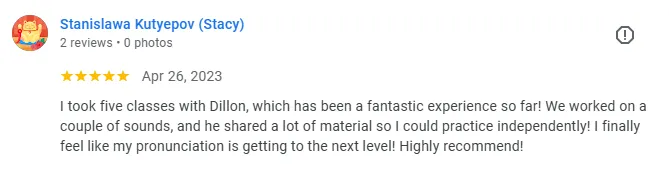
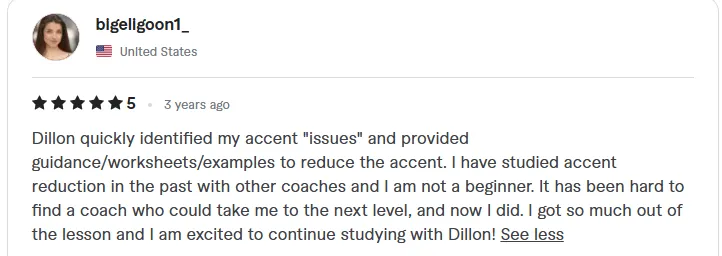
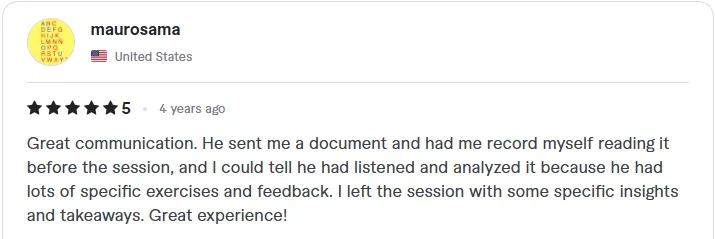
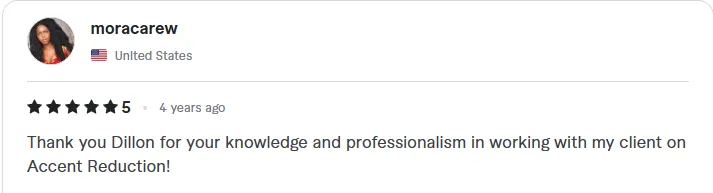
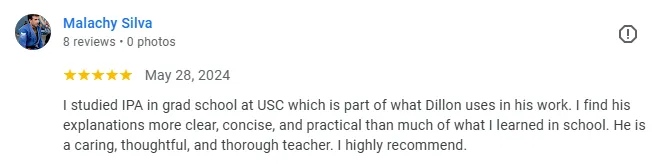
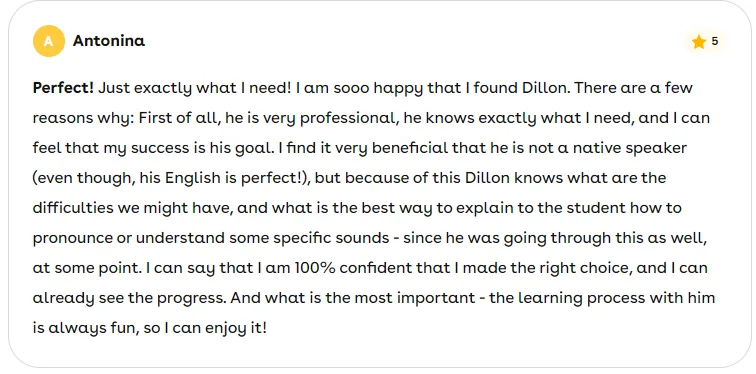
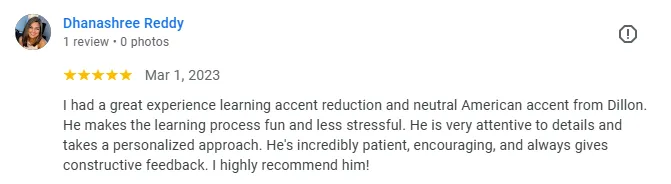
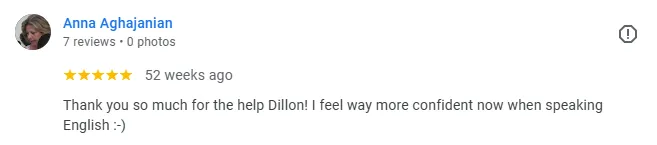
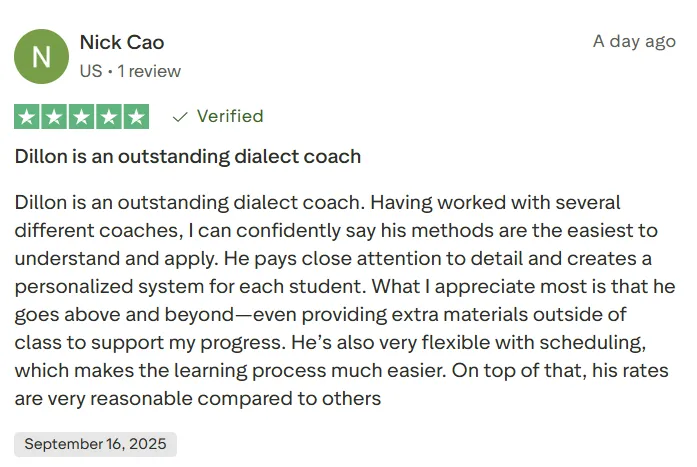
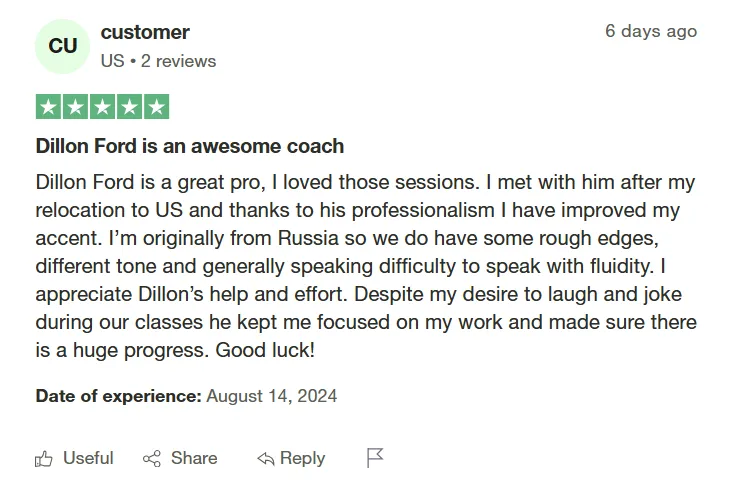
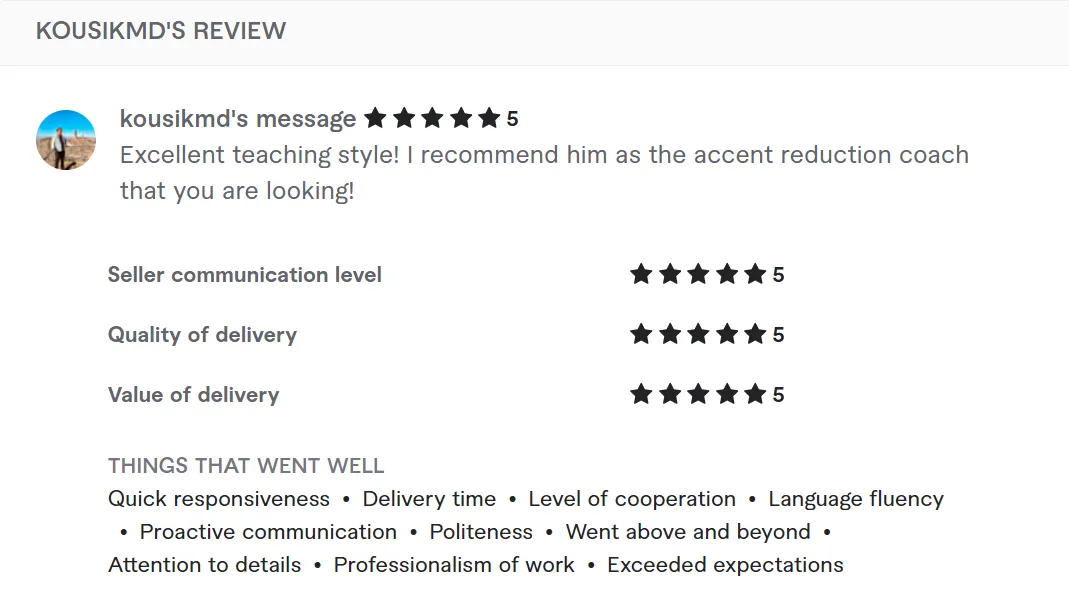
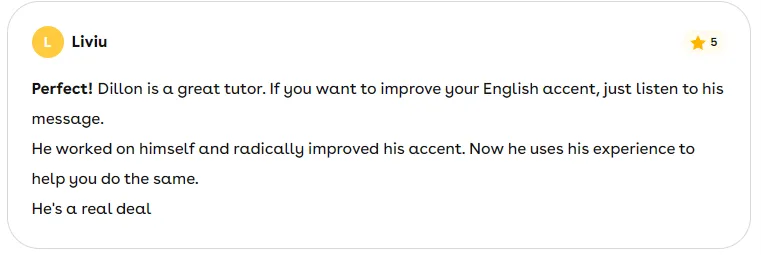
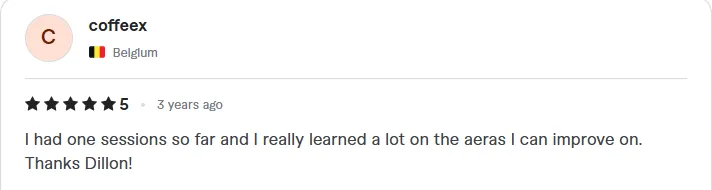
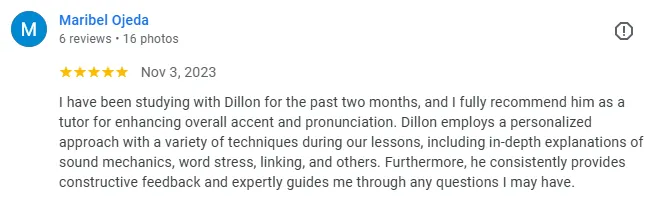
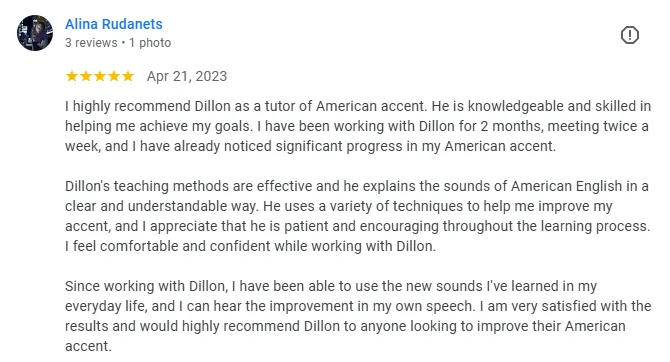
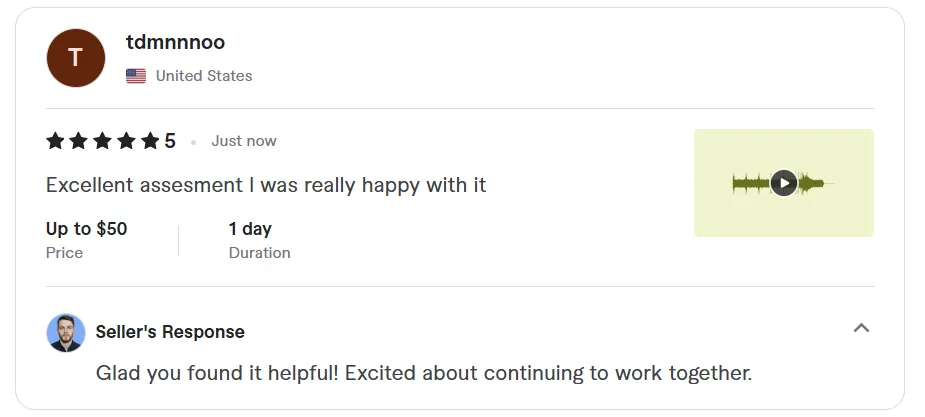
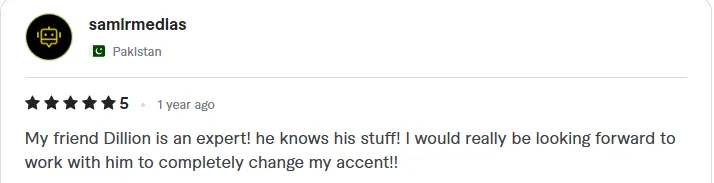
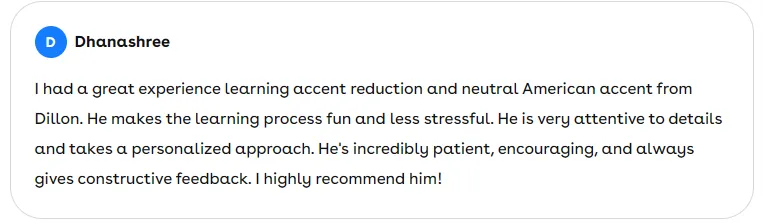
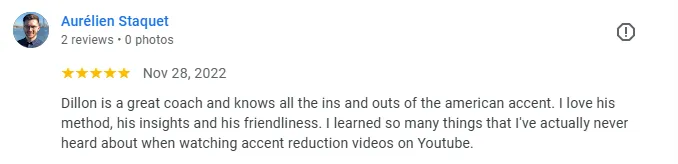
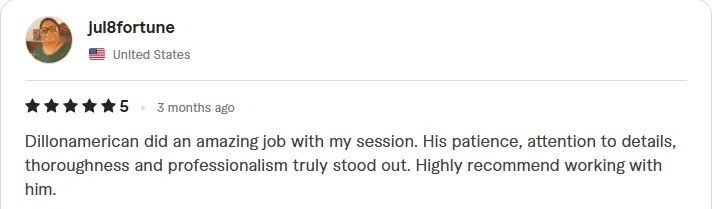
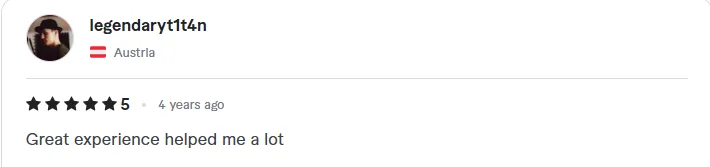
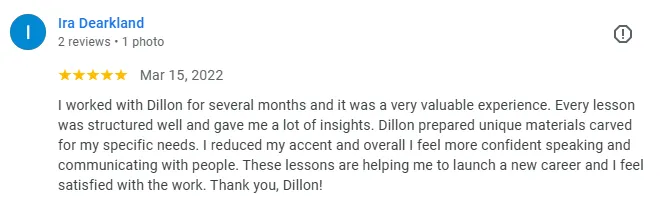
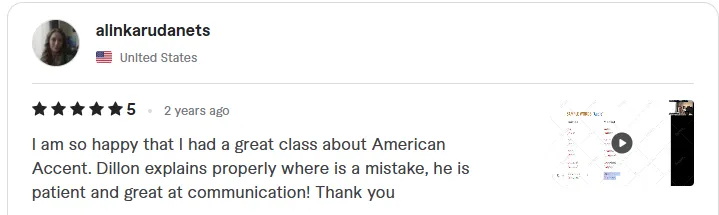
Client Testimonials
Pei
From China
(Project Consultant)
Dominik
from Slovakia
(Freelancer)
Aadi
From India
(Content Agency Owner)
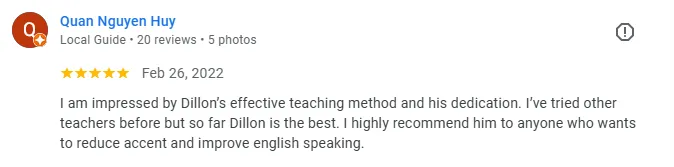
Quan
From Vietnam
(Financial Advisor)
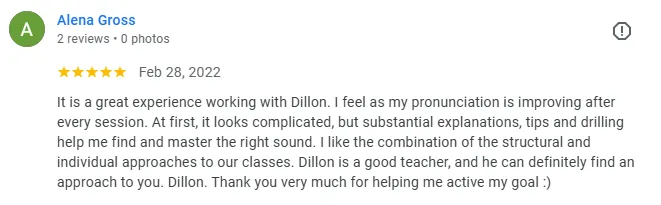
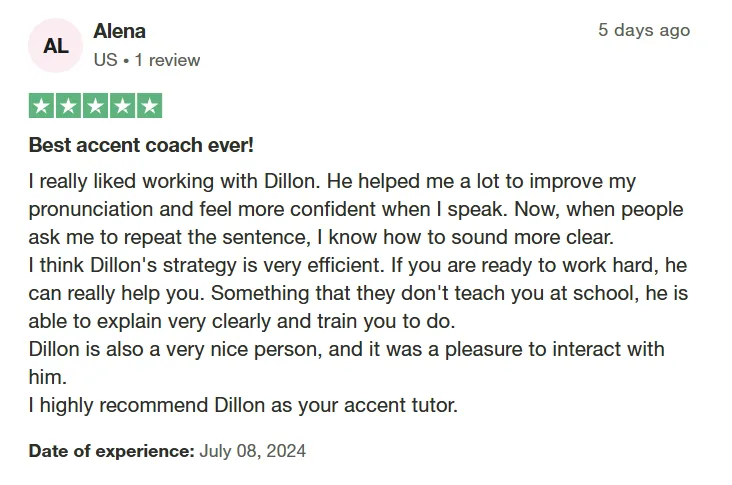
Alena
From Belarus
(Researcher / Student)

Copyrights 2026 | Accent Change by Dialect Work
Terms & Conditions | Privacy Policy
1968 S. Coast Hwy, #5509, Laguna Beach, 92651