Finally Sound Like Yourself in American
I help Successful Experts with strong foreign accents finally sound like themselves in American.
With the same Hollywood Accent Techniques I used to successfully change my own accent within 18 months.
FREE
Accent Archetype Quiz
What is "Accent Reduction" ?
What is "Accent Reduction" ?
(also sometimes called "accent modification" or "accent neutralization")
Believe it or not, this can be a controversial topic for some. The term is quite simple to explain. It's the act of "reducing" or "weakening" your accent.
It's mostly a term used for foreigners (like myself - and probably yourself as well).
Depending on your goals, you may want to simply speak more clearly and more confidently or you may want to completely get rid of your foreign accent (like I did when I first started the process of "accent reduction).
Since you're reading this on my website, you should know that I'll be talking about accent reduction in reference to getting closer to an American accent. (rather than a "Standard British" accent)
What exactly does this entail? How do people "reduce" their accents?
The way I changed my accent completely was by using the same methods actors use to prepare for big roles.
Think Christian Bale or Meryl Streep taking on a completely different way of speaking. For example, Christian Bale did a phenomenal job of taking on a "general" American accent for his role in 'American Psycho'.
Broadly speaking, these are the steps you need to follow:
identify which sounds and concepts (e.g. rhythm, intonation, etc) in your speech don't match what American native speakers are doing
understand how Americans are producing those sounds
lots of diligent, consistent and intentional practice to re-train yourself to use those new sounds/concepts in your own speech
rinse and repeat this process until you've covered either the most important sounds/concepts (thus having overcome what I call the "accent barrier") or don't stop there and keep going until you can match those American sounds/concepts perfectly across the board (which would then be called "speaking like a native")
So in principle, the idea of accent reduction is simple.
All right. I think I understand the concept. But what are we "reducing" towards?
Good question.
The goal most of my clients have is clarity above all else and speaking with the same confidence & authenticity as in their native language(s). (overcoming the "accent barrier")
How exactly do we define clarity here? It's not as clear of a term as we like to think.
In the context of accent reduction, I like to describe clarity as familiarity.
You see, clarity will be different to a Brit, Australian or an American. To them, clarity is speech that sounds the most similar to their own.
This means that clarity can be subjective.
This also means that if you're living in the United States or if you're actively working / negotiating with Americans, becoming more clear means getting closer to a "general" or "neutral" American Accent.
(If you live and work in the UK, it would make more sense to work towards a "Standard British Accent", for example)
That makes sense. But what the hell is a "General" or "Neutral" American Accent ?
Another good question. And this is where some of the "controversy" can come from. If you check out the comment sections on videos/posts about accent reduction, inevitably, there will be someone that says:
"Everybody has an accent. There's no such thing as "neutral"."
Sure. That is true.
Technically, no American has a truly "neutral" accent. Technically, everyone has an accent. There are so many accents even within certain regions that it's impossible to keep track of. Just within the city of New York, you'll find lots and lots of different accents.
"General" or "Neutral" American is as the name implies, a general umbrella accent that encompasses the way most Americans speak. Since it is very general, it makes you sound generally American as opposed to placing you in a very specific geographical region of the United States.
Most actors, TV show hosts and public speakers will speak with a very "neutral" American accent. This is not just because it's the most "neutral" but also because it's the easiest to understand.
It's worth mentioning that, some people will view the "general American accent" as a white American accent.
This is a generalization but, on the flip-side, if you've ever heard an African-American person described as "speaking white", it's most likely because they are speaking with is largely viewed as a "neutral" or "general" American accent.
When people say someone "sounds black", it often seems to reference influences of Southern accents in the speech of many (but definitely not all) African-Americans.
There's even a phenomenon called "code switching". This describes the act of switching up the way you speak, mostly because you think it'll be advantageous to do so.
But... we're getting off track. As you can tell, this topic can get pretty deep.
The real question is though... for us as non-native speakers looking to reduce our accents? Not that important to think about.
When I personally worked on reducing and changing my own foreign accent (I'm German), I went for the General/Neutral American Accent. When I work with my clients, everything we work on is always in reference to this.
If you're looking to learn a specific regional accent (let's say a Boston accent for example), you'll be better off working with a Dialect Coach rather than myself. Just so you know.
Okay... but you said this was only part of the controversy?
I don't even know if "controversy" is the right word, honestly.
The second reason why some people will get very triggered by the topic of accent reduction is because, in their eyes, their foreign accent is part of their identity.
From what I see online, specifically from the other coaches in the space, they always agree. My thinking is that they say this because most of the coaches are all Americans. And I'm guessing they don't want to upset their potential customers.
Since I'm not a native speaker myself, it's safe for me to say that I wholeheartedly disagree.
To keep things brief, in my experience, having a strong accent, sounding unclear, struggling to communicate well, getting made fun of because of my accent... it was all very much not part of my identity.
If anything, my strong accent was in the way of actually showcasing my identity and personality to the people around me.
And... I know this may be mind blowing but ... changing my accent didn't make me any less German.
Want to know more about that ? I wrote an entire blog post about that exact topic: Your Foreign Accent ≠ Your Identity
PS - want to get started with the accent reduction process? You need to know what mistakes you're making. I'm currently offering free accent assessments (Value $200) for clients that might be a good fit. All you have to do is fill out a quick application.

About my Method
The most common thing I encounter when I work with clients that have worked with other coaches before is this:
They have lots of theoretical knowledge.
But: they're not actually able to apply it well while speaking.
Theoretical knowledge is important but does not equate to actual skill.
I call my way of approaching accent reduction the UDS Method.
This stands for: Understand - Drill - Simulate
Pretty simple. All three steps are equally important.
Think of a three legged stool. You remove one leg, it falls over.
Understand = that's the easiest and fastest part. You can easily go and look up any American sound on YouTube right now to understand how it works very quickly. The difficult part is being able to implement this knowledge into the way you speak.
Drill = an incredibly important step where most people fall short. They think just understanding and then immediately trying to jump into speaking is how they will get to their goal. Based on many, many, many classes with clients I can confidently tell you this simply doesn't work. For most people, in an actual conversation, there's too much going on at the same time for you to adequately catch the sounds. You need to build habits first. This is the goal of the drill step.
Simulate = This is where I use my acting training to help you get to your goal. This is basically "roleplaying" in more advanced scenarios (scripted and improvised) to make sure that we truly pressure test the habits you have built in the previous step (drill). This is by far the hardest step and requires us to have done really solid work in the first two steps. As a result, you will fail a lot in this step. This is good. Because it exposes your weak points and shows you what you need to drill more.
Frequently Asked Questions
The most common questions around changing your accent in one place.
How long does it take to transform your accent?
It all depends on the method you're using. Self-study, choosing cheap options like AI apps.. those take a long time to bring about any meaningful change.
However, working with someone that has actually transformed their own accent and uses a time proven system to help others do the same? That gets you results much faster. I use the same methods actors like Daniel Day-Lewis and Christian Bale use to prepare for movie roles.
Now, all I can do is lay out the path. It's up to you to take the necessary steps. All I can do is show you what to do, why to do it, when to do it, and how to do it. If you take consistent action, practice with intention and show up for yourself and your goals, you can make progress very quickly.
You could be speaking very differently in a matter of just a few months. You could be speaking clearly and confidently. If you put in the work and follow the path.
Why should I learn from you?
If you had to go to the gym and get jacked, and you could choose between two trainers, who would you pick?
#1: an exercise scientist that has thin, spindly arms and legs
#2: an exercise scientist that is in excellent physical shape and health
Obviously #2.
Why? Because having actually done the thing matters.
I used to be in your exact situation. I came to the US with a strong accent that was a major obstacle to my goals. I put in the hours. I did the work.
On top of that, the methods I use are not just theory thought up by some linguists that have never worked with a person 1-on-1.
I studied the craft of acting at the William Esper Studio in New York City. The methods I use are actively being used by actors to prepare for big roles.
What about your method is different from other coaches?
I've had lots of clients come to me after studying with other coaches or after having purchased courses that didn't work for them. Do you know why?
Because what most people focus on most is the acquisition of knowledge, not actual skill.
This is why they (and probably you if you're reading this) get stuck in a specific spot: you know a lot of things about the American accent but you're not able to consistently apply that knowledge in a live situation.
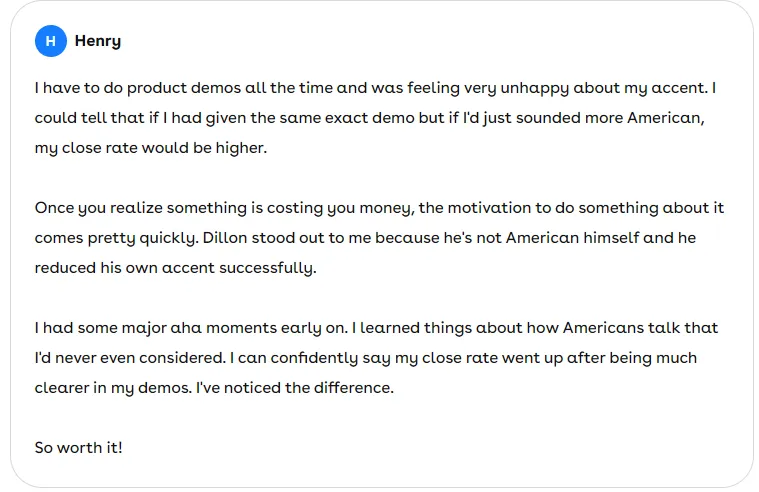
This is why my method focuses on habit building. We need to get you so good, so comfortable with what you're learning that you are able to go into a high stakes situation (e.g. sales pitches, meetings, presentations, product demos) and focus on the ideas you're trying to communicate. Not feel self conscious about the way you speak.
I'm from [insert country], have you ever worked with somebody like me before?
Odds are, I have. However, I haven't worked with someone from every single country on earth so it's perfectly possible that I have not worked with somebody of your nationality before.
The process of transforming your accent is the same, regardless of your native accent. The things that will differ are the mistakes you are making.
The process to fixing those mistakes is always the same:
-understand what the mistake is
-understand how to make the correct sound
-drill the correct sound to build habits
-simulate live situations to pressure test those habits
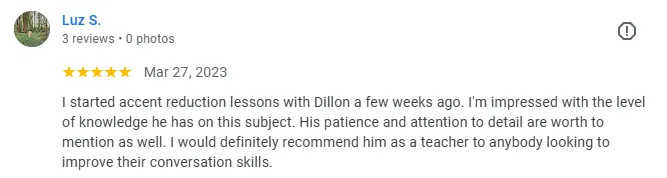
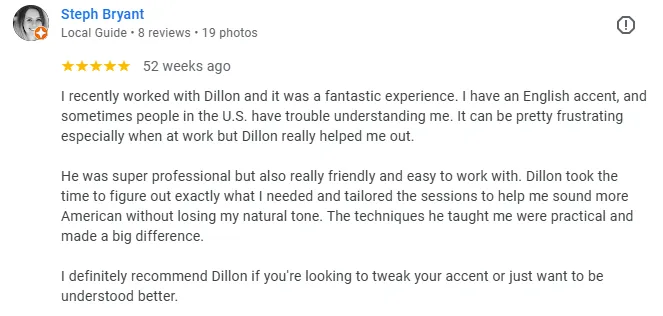
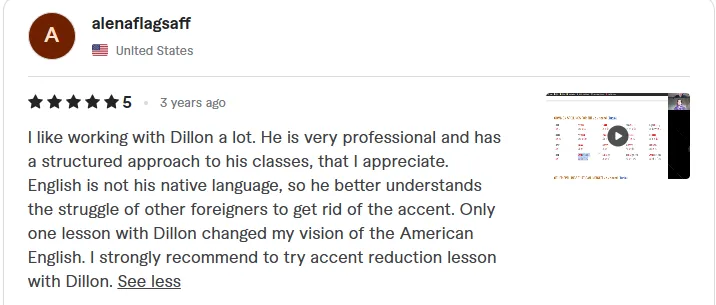
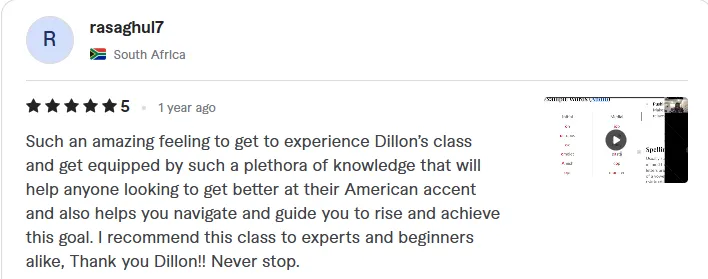
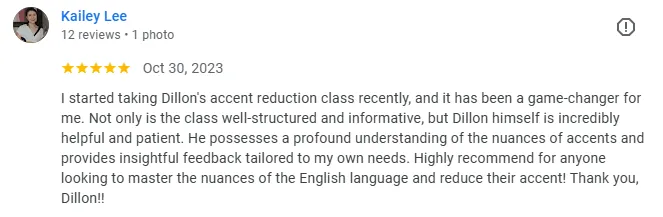
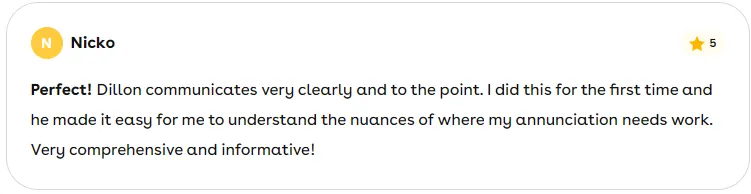
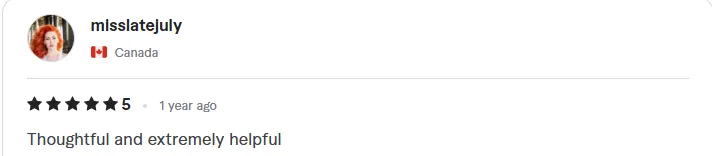
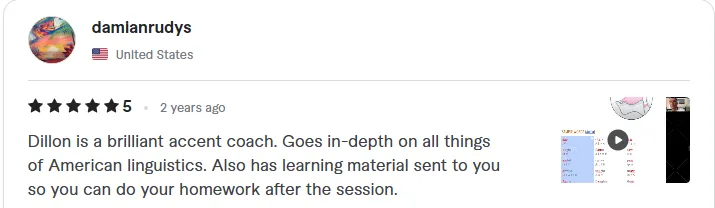
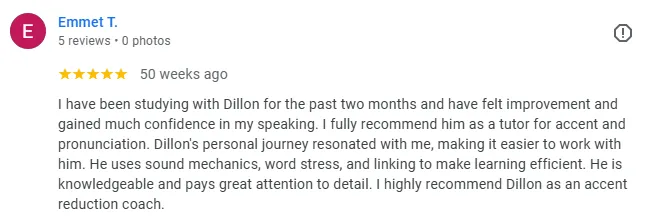
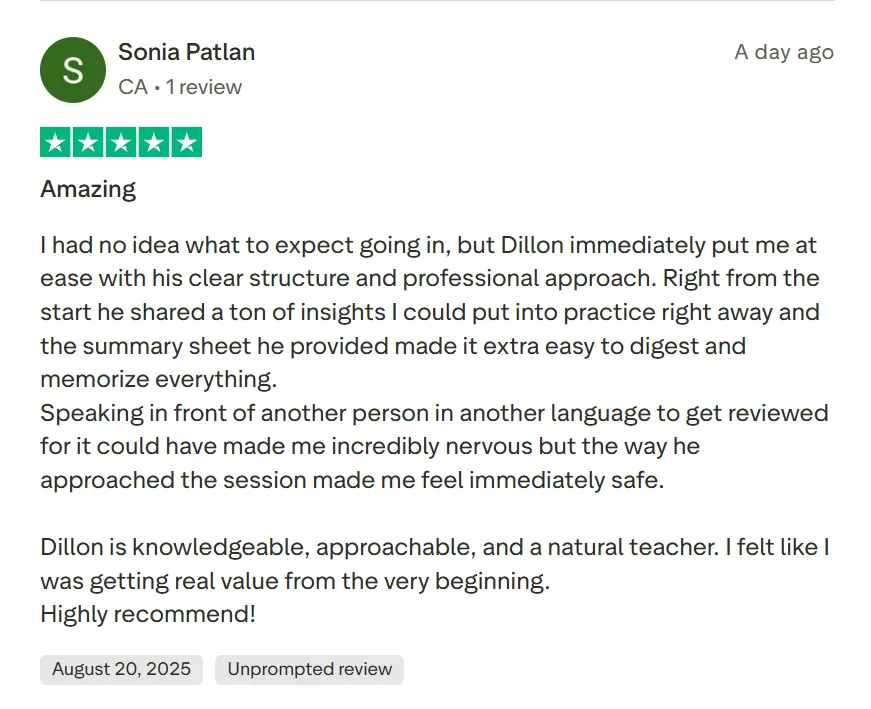
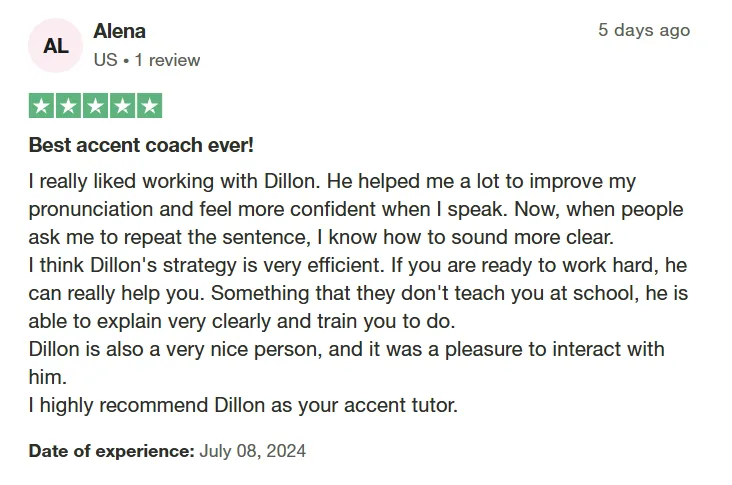
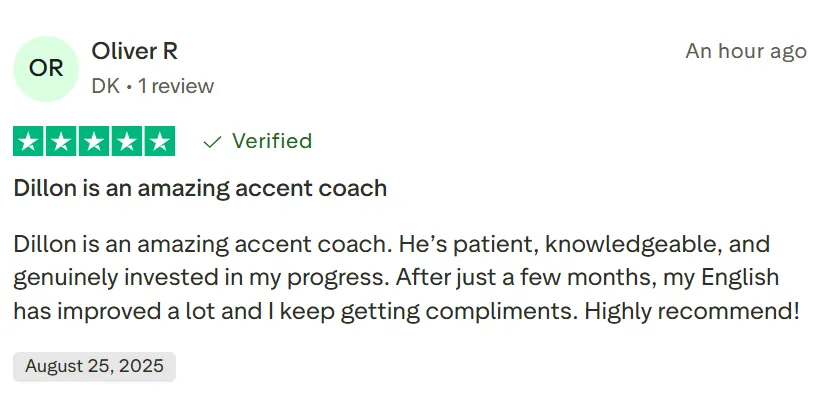
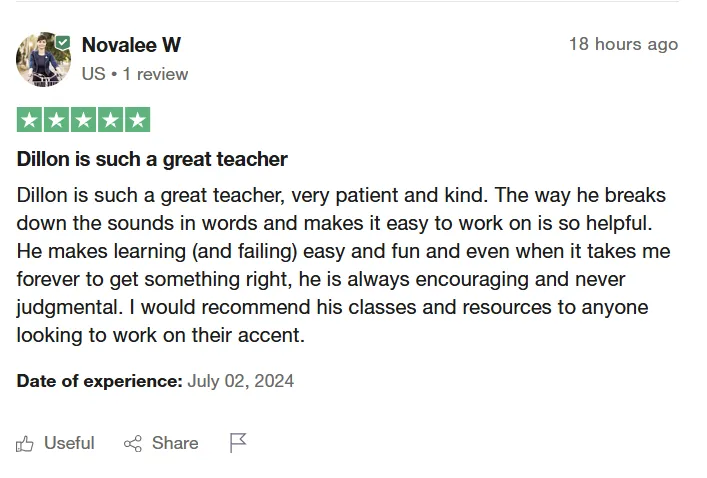
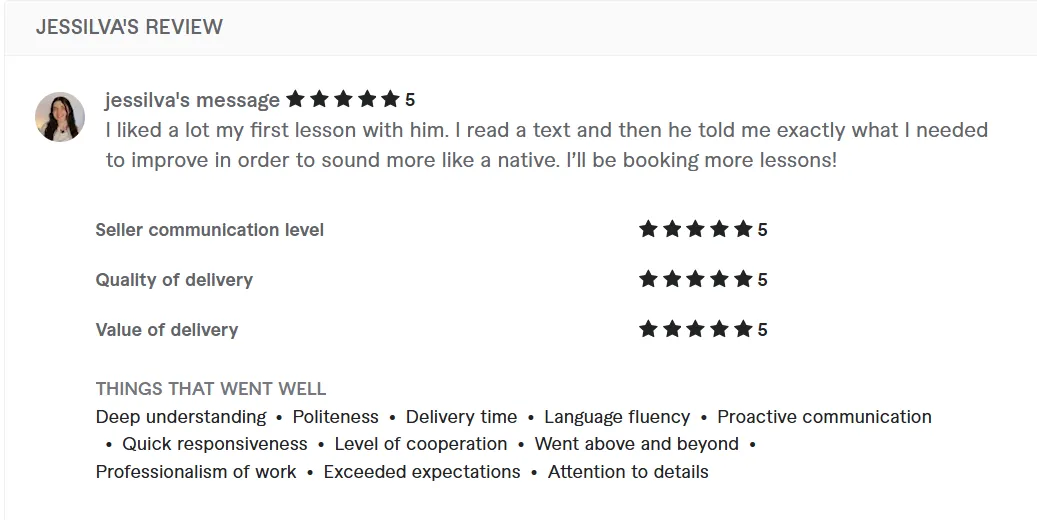
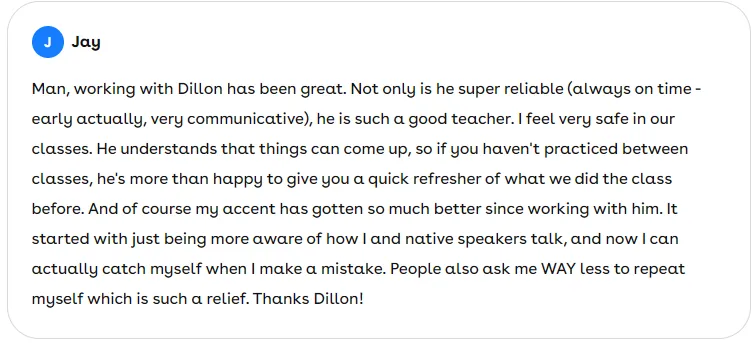
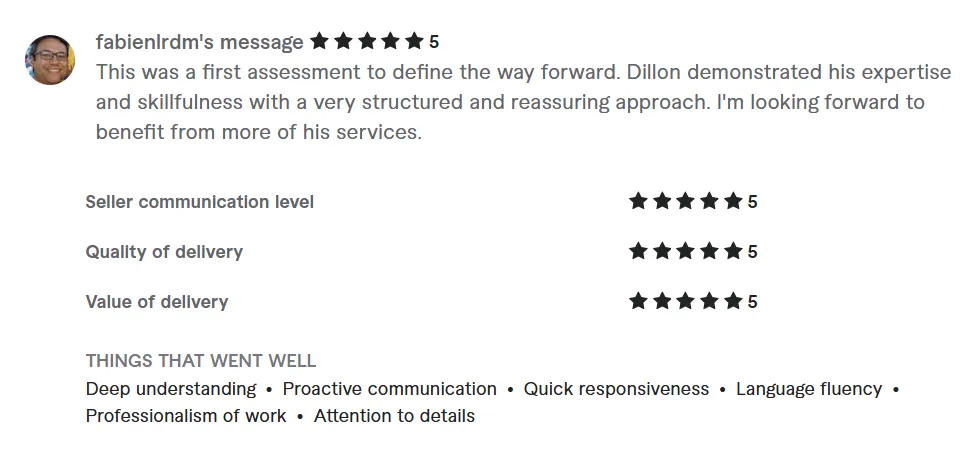
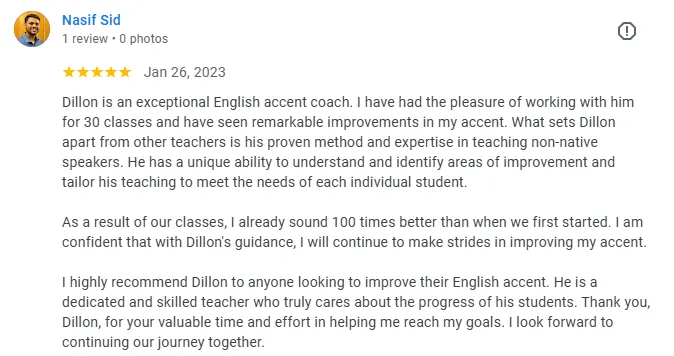
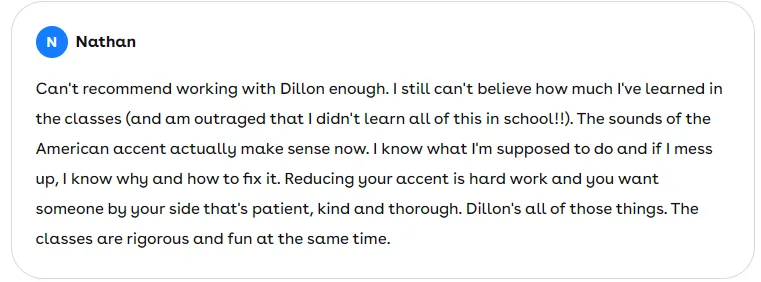
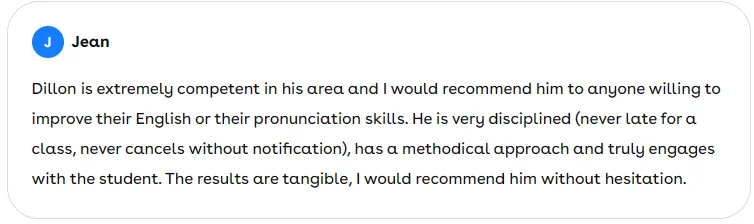
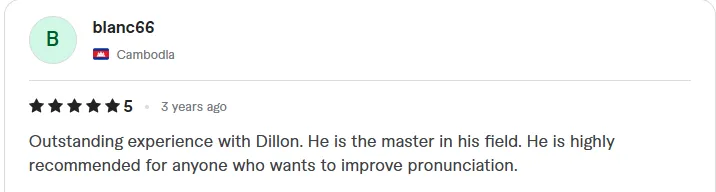
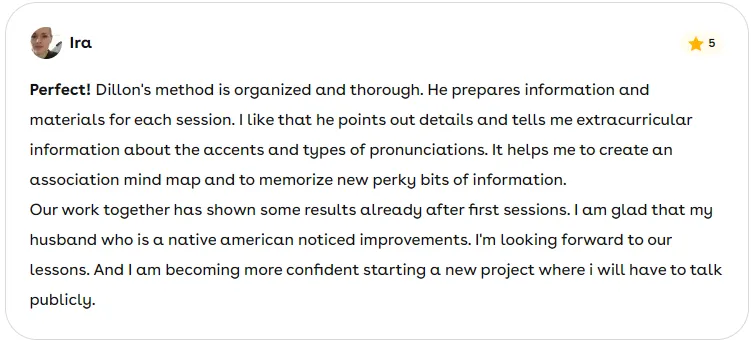
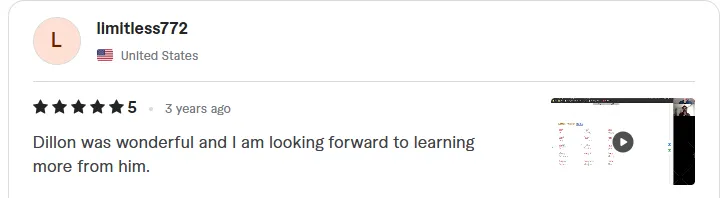
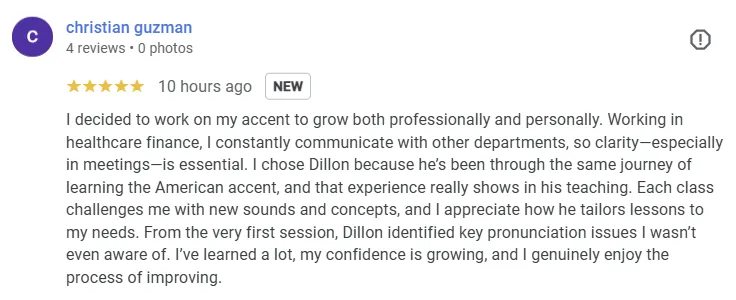
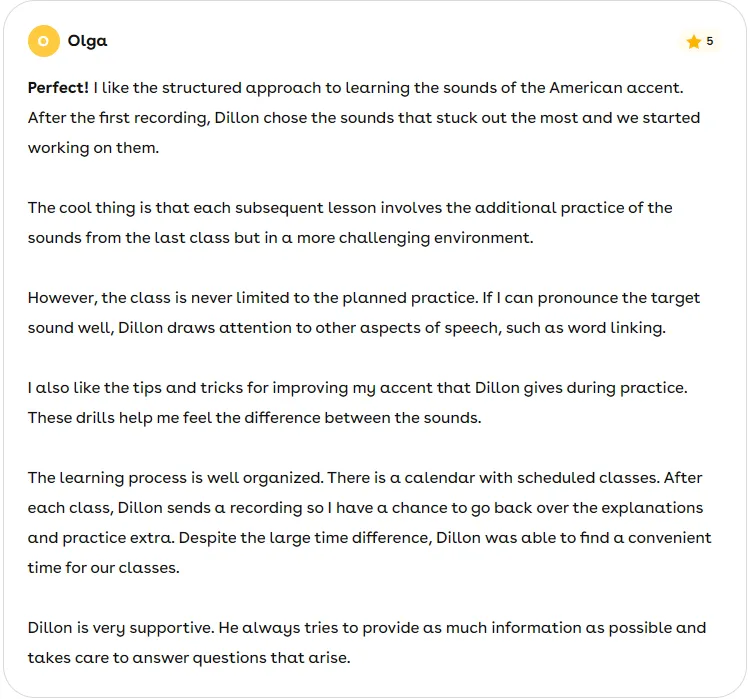
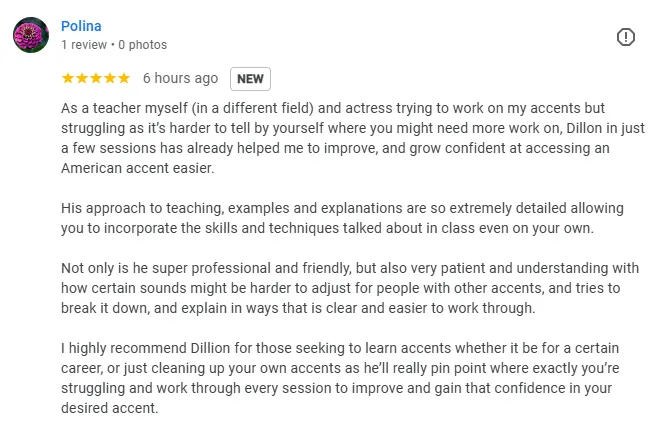
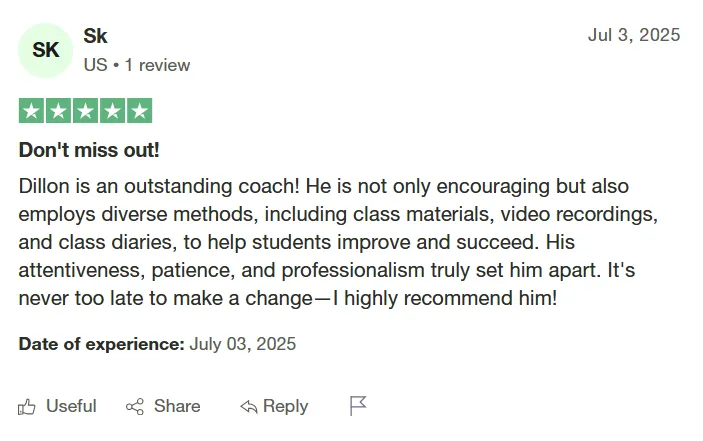
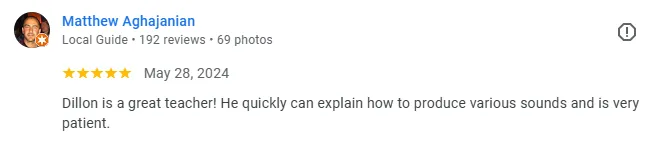
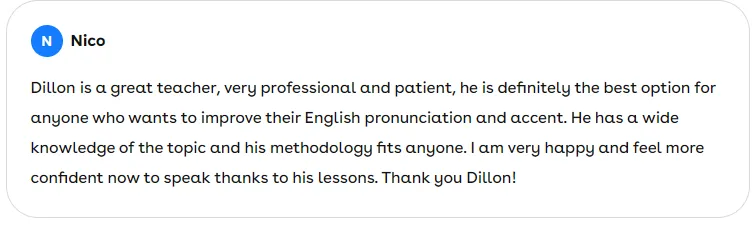
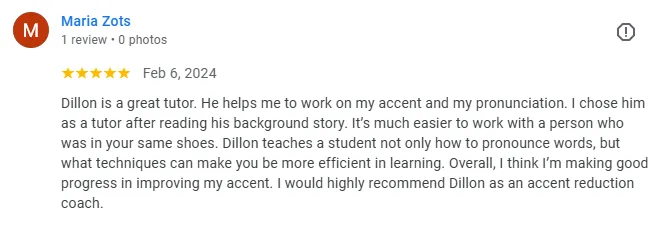
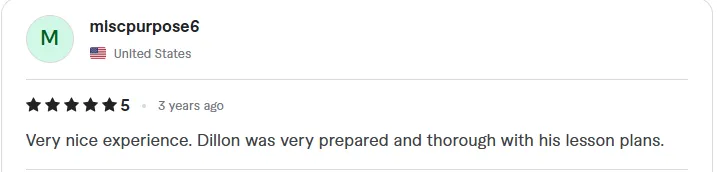
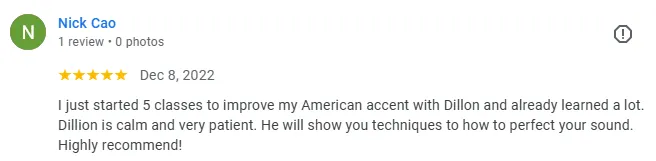
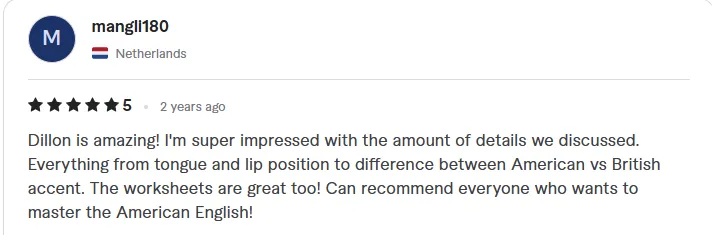
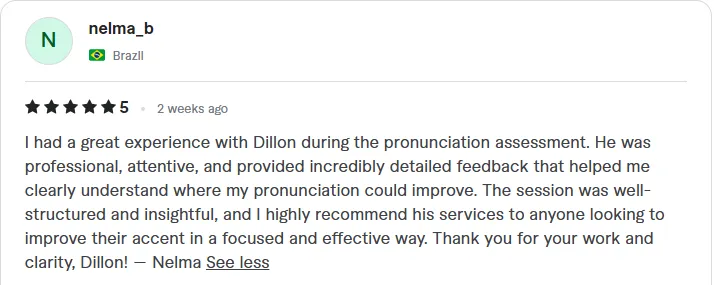
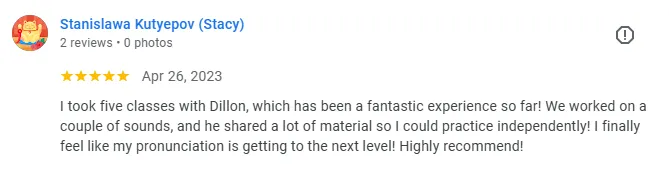
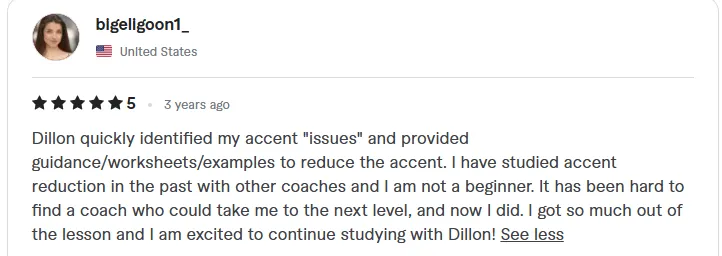
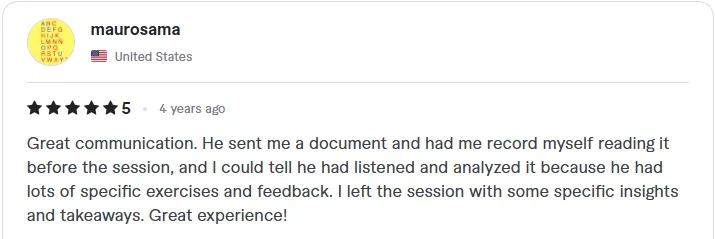
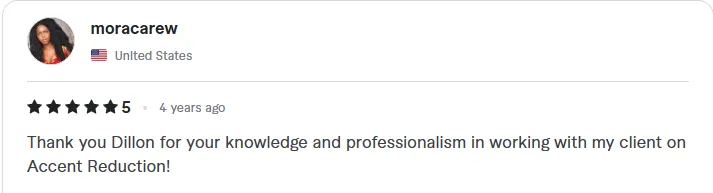
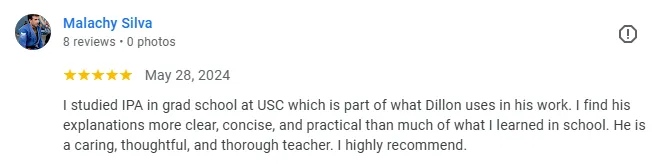
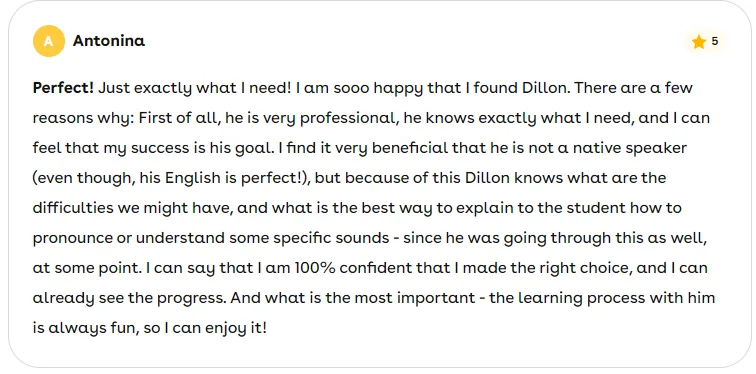
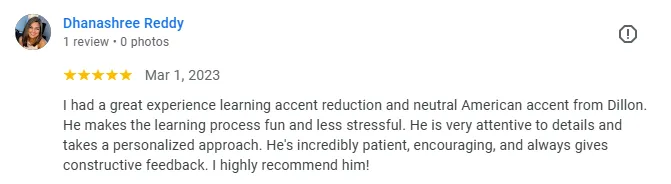
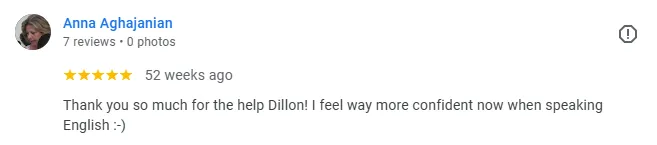
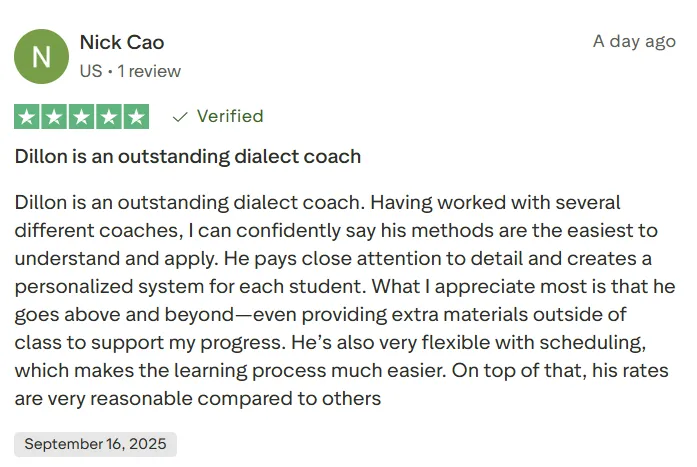
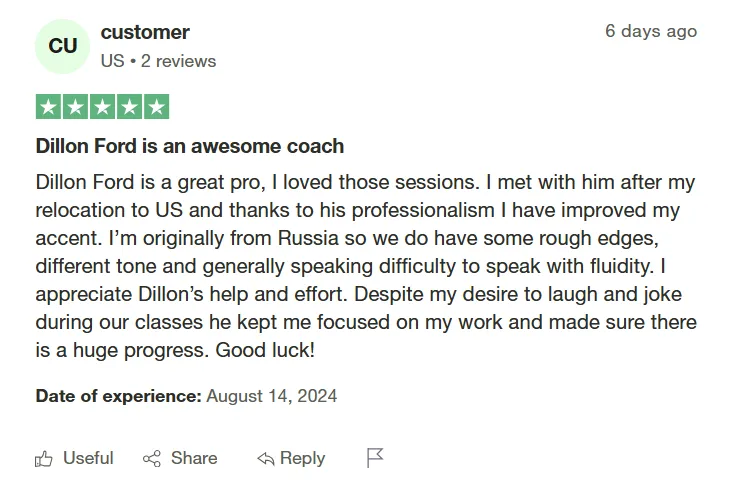
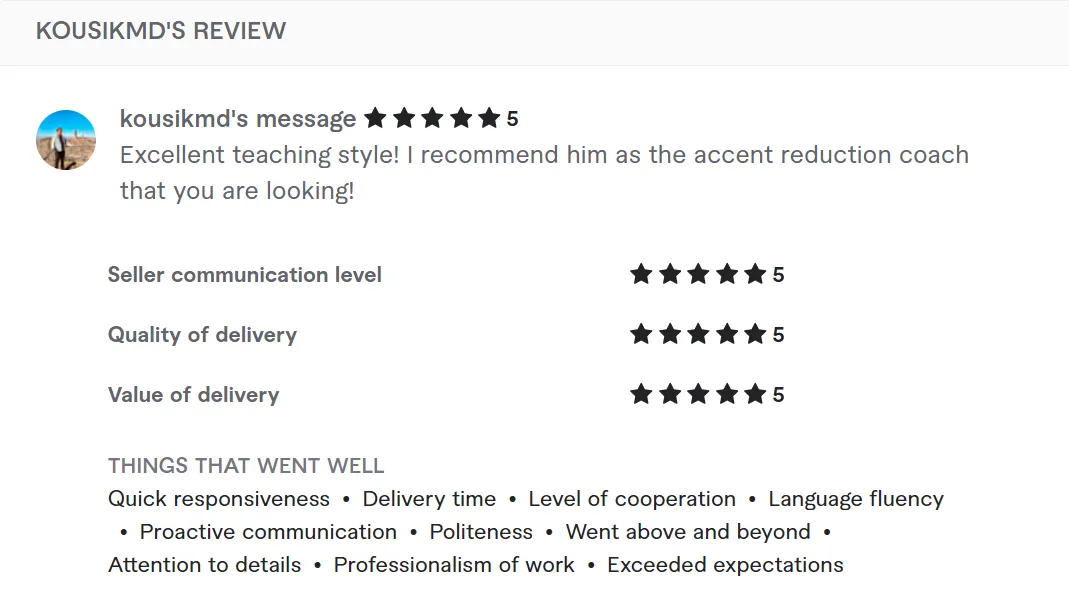
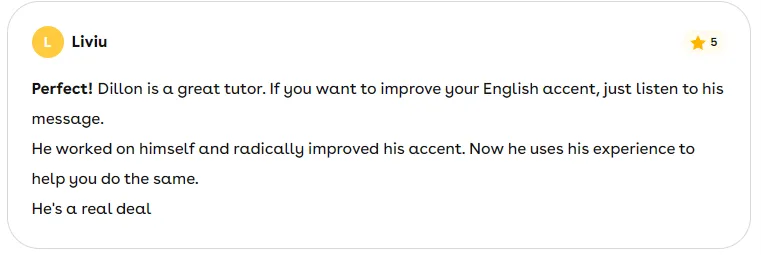
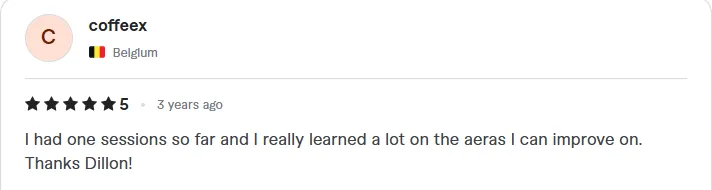
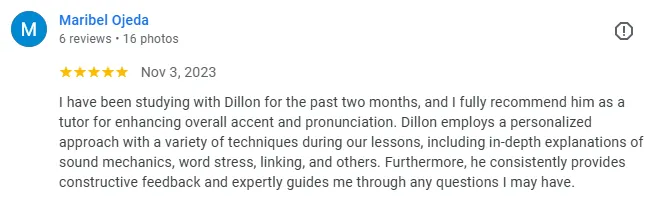
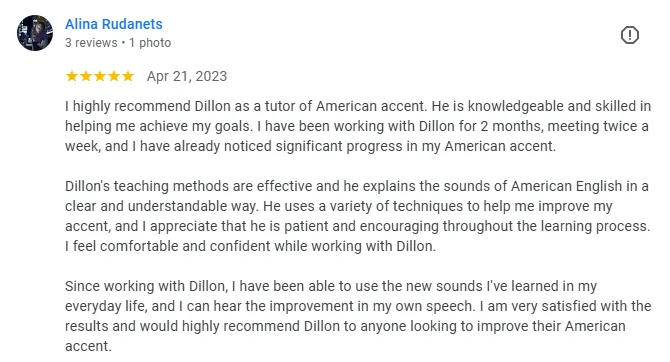
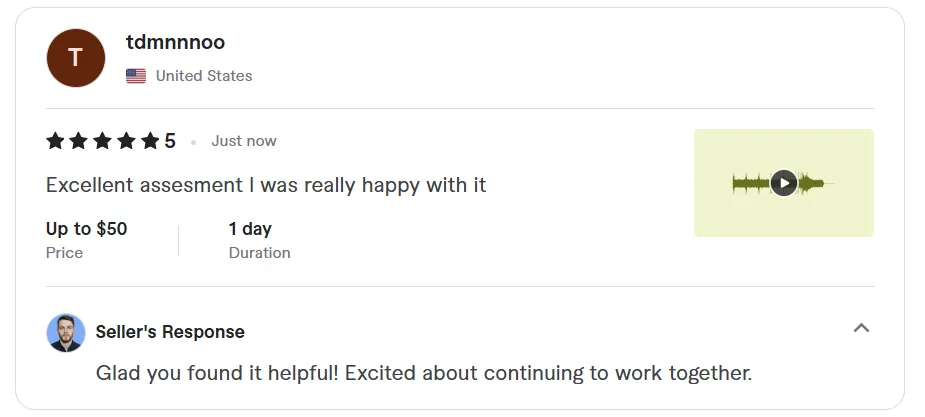
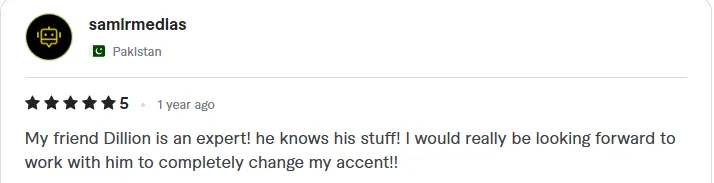
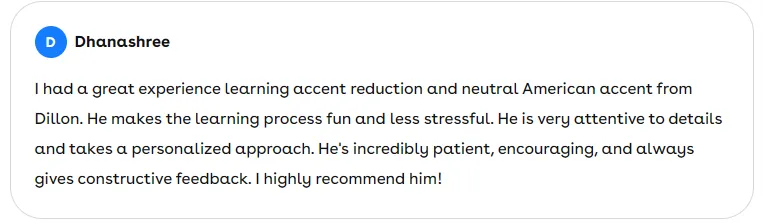
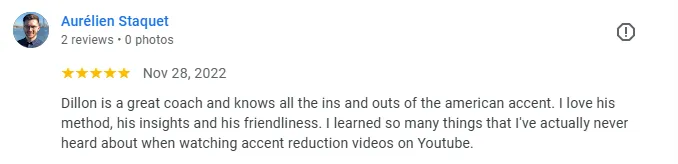
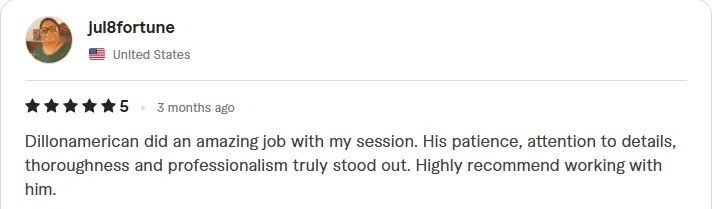
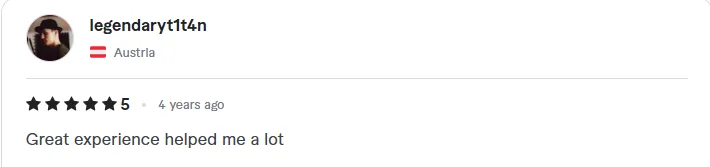
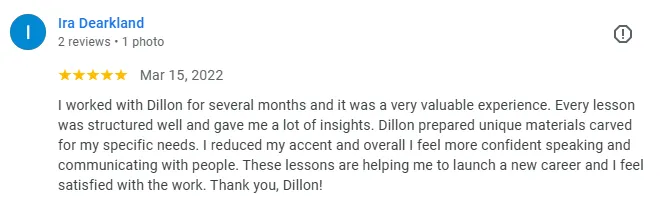
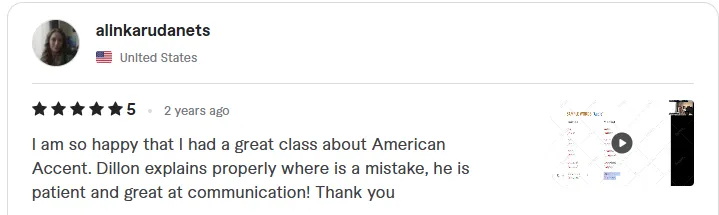
Client Testimonials
Pei
From China
(Project Consultant)
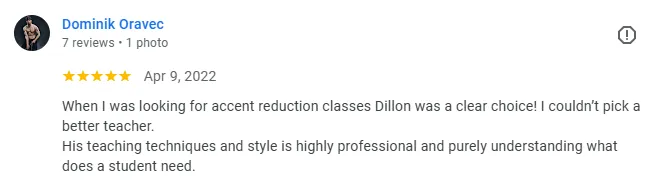
Dominik
from Slovakia
(Freelancer)
Aadi
From India
(Content Agency Owner)
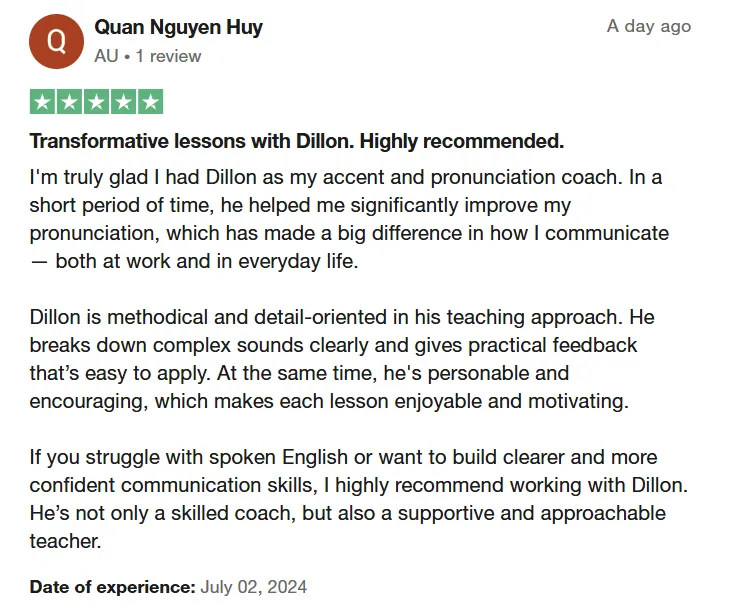
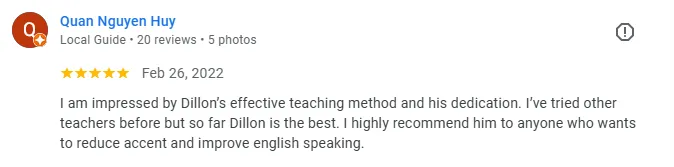
Quan
From Vietnam
(Financial Advisor)
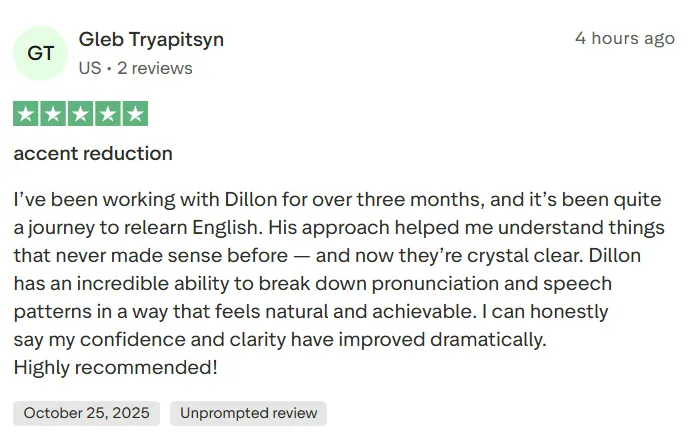
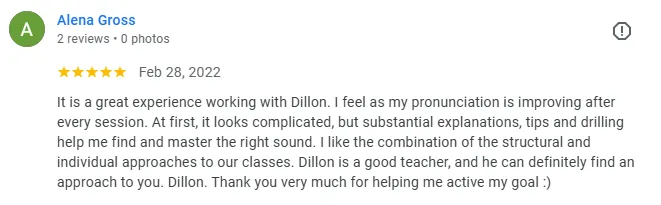
Alena
From Belarus
(Researcher / Student)

Copyrights 2026 | Accent Change by Dialect Work
Terms & Conditions | Privacy Policy
1968 S. Coast Hwy, #5509, Laguna Beach, 92651